Mēnēm by Capsule ↗
co:evo ↗
co:evo ↗
Mēnēm by Capsule ↗
Lumen ↗
Avanguardia Sensoriale ↗
La Forma del Mare ↗
Partnerships
Mēnēm by Capsule
[2025]
Strategic design—Art direction—Audiovisual and multimedia design
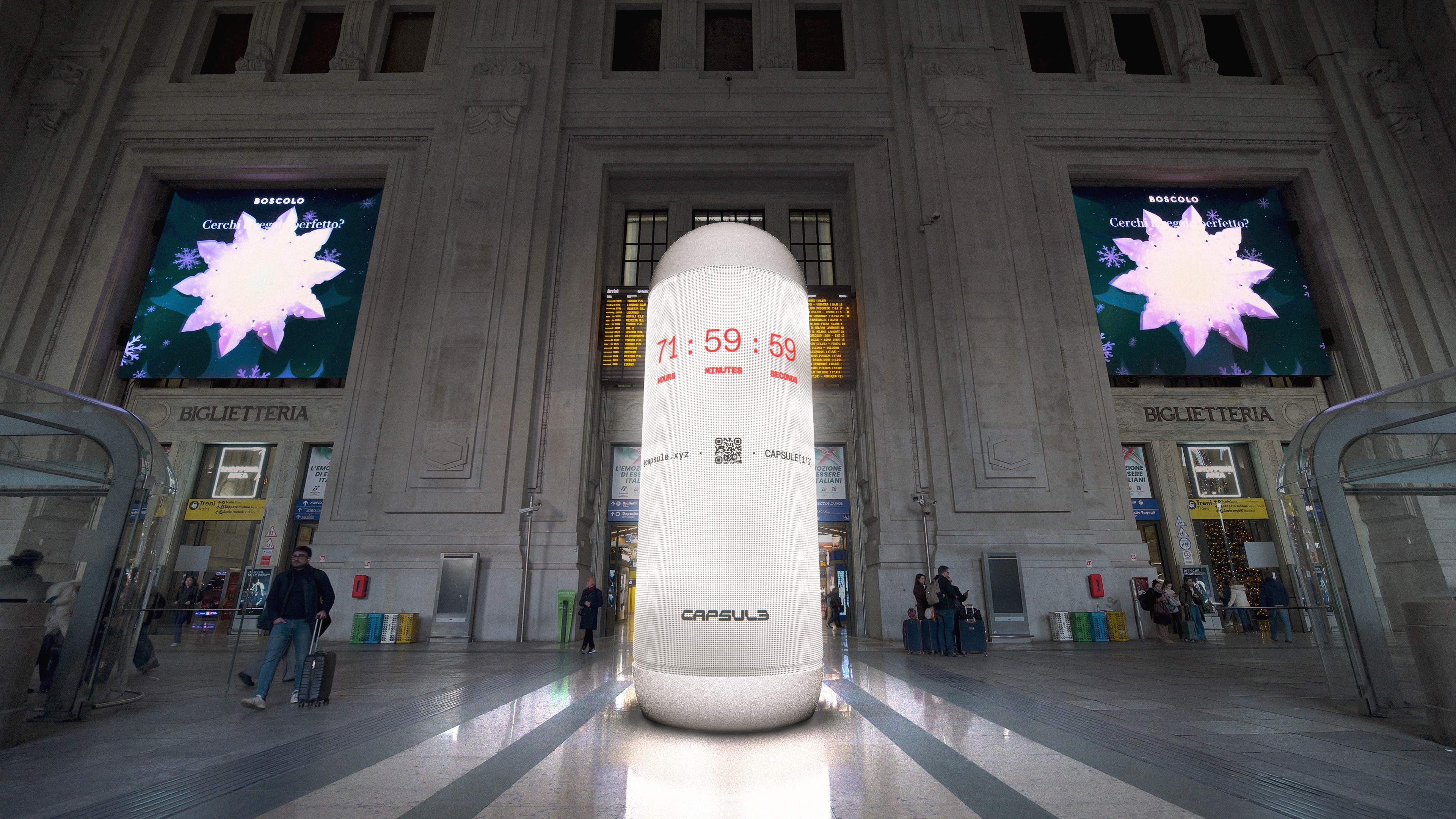
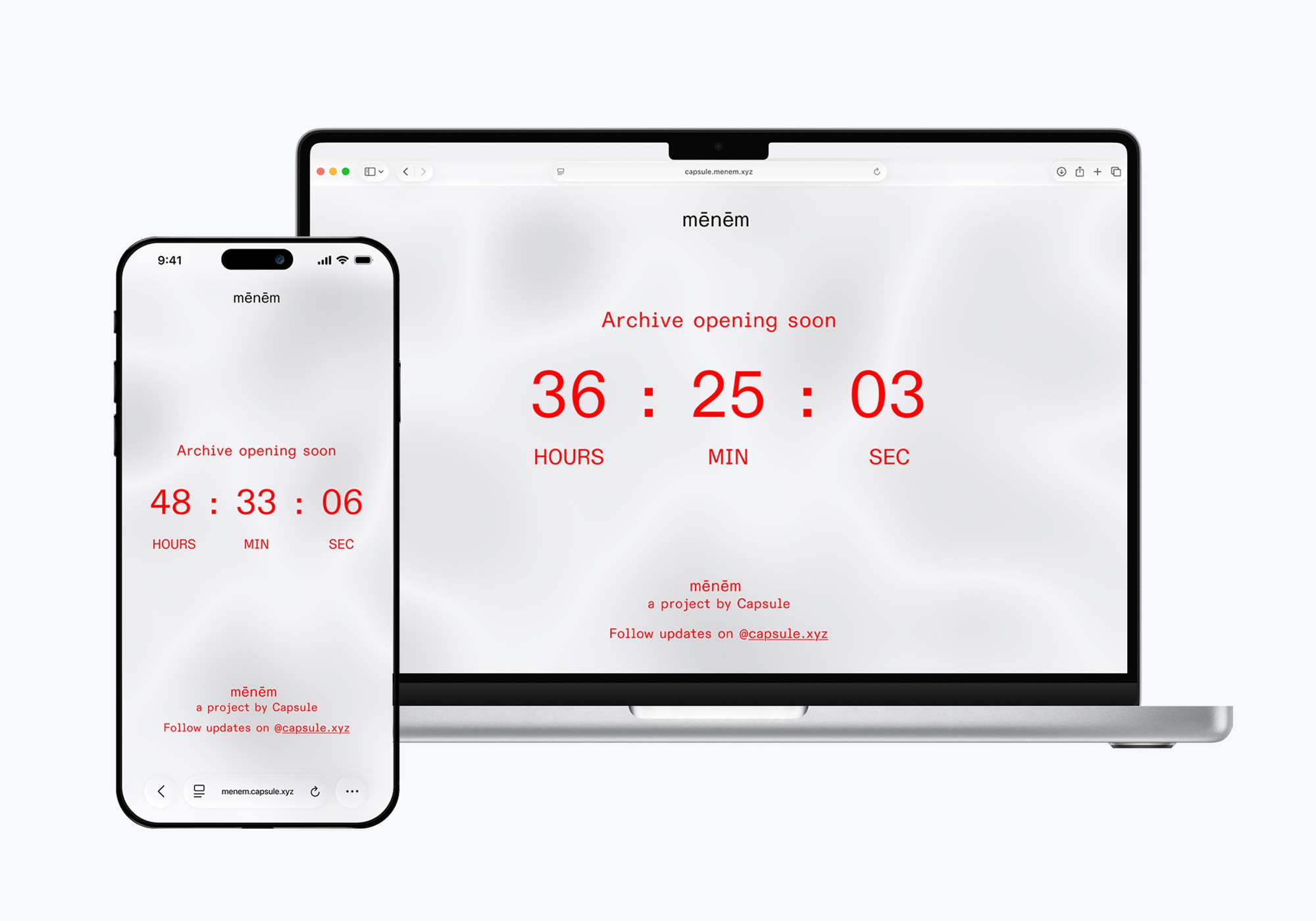
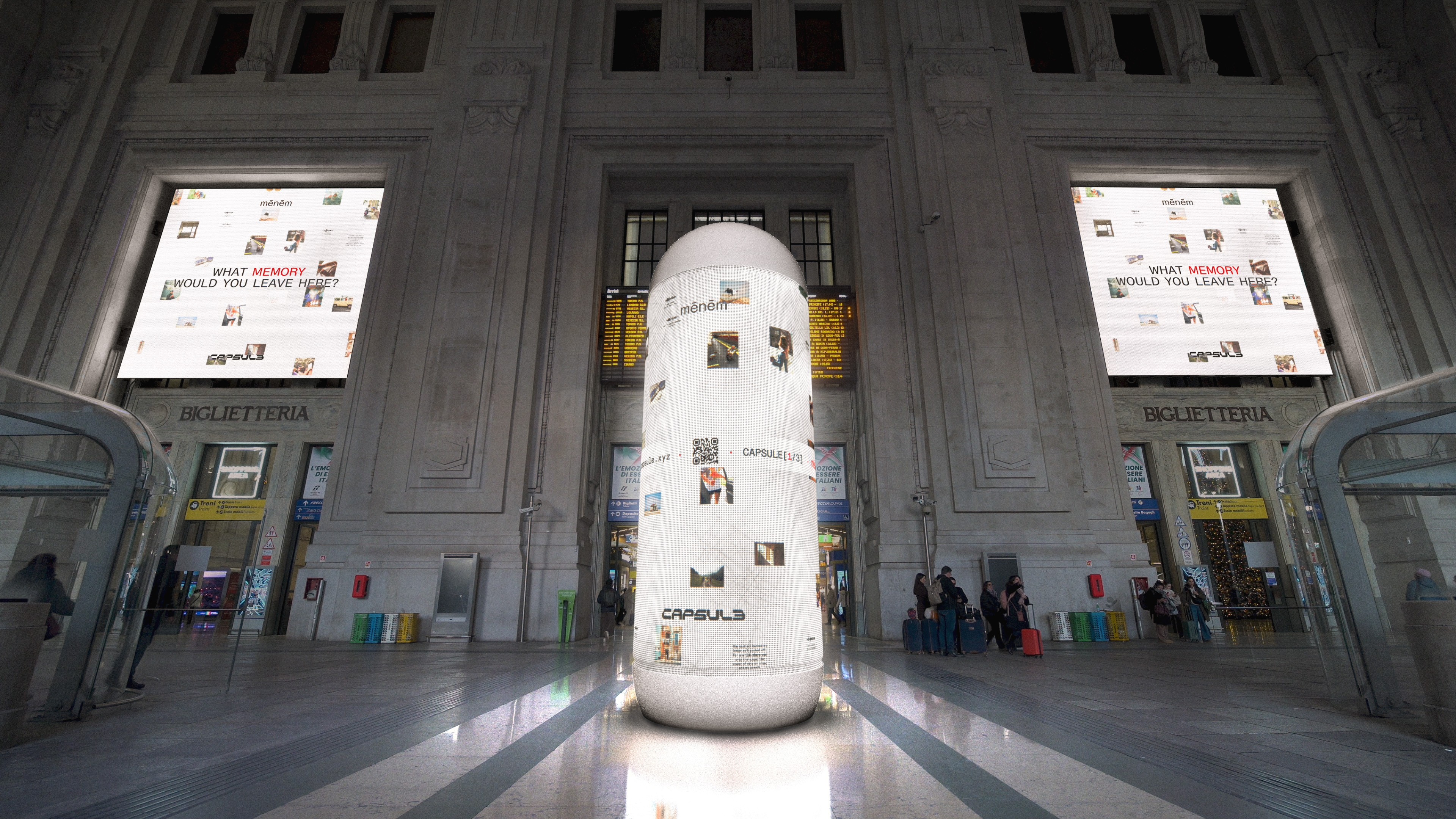
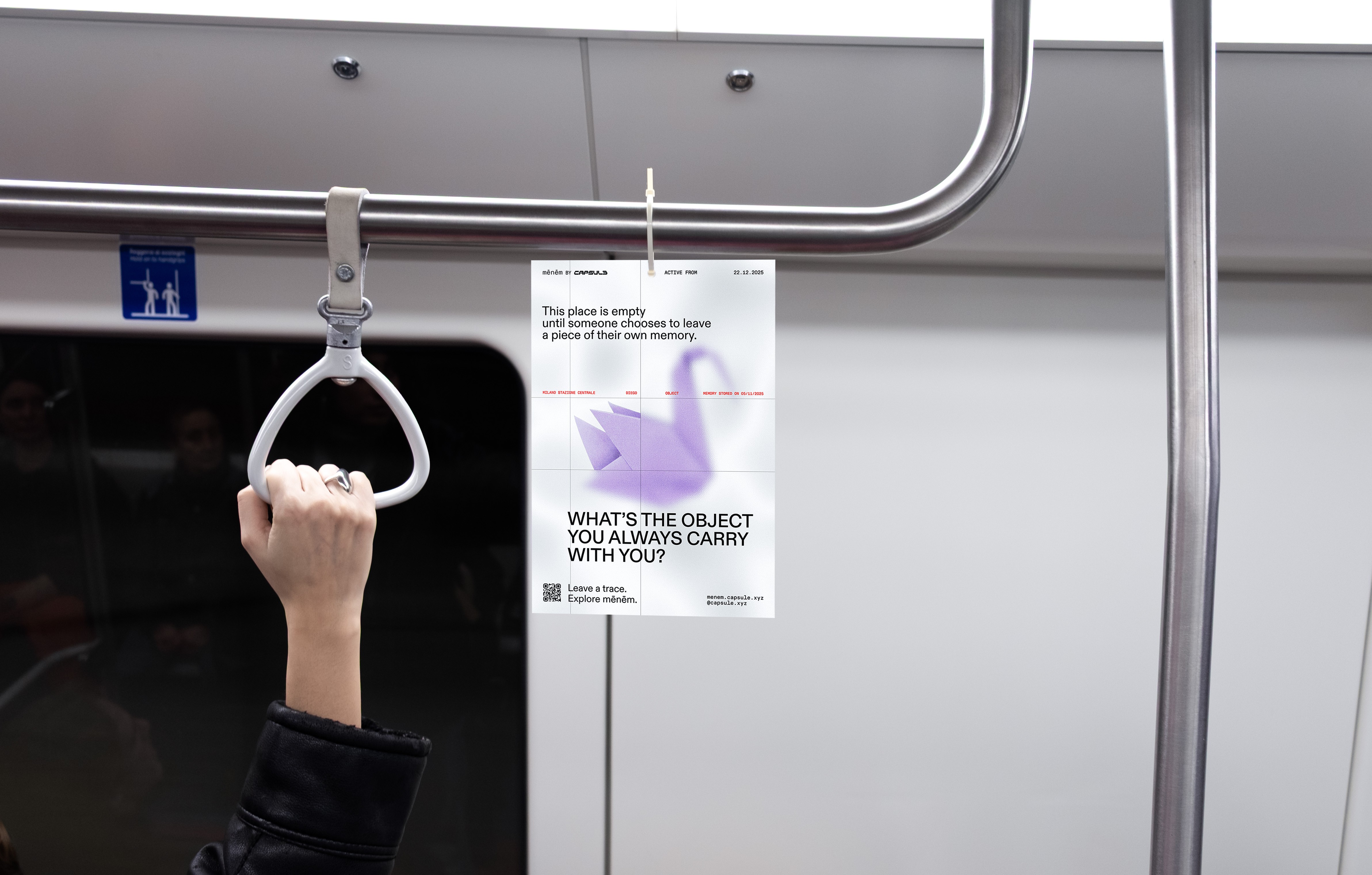
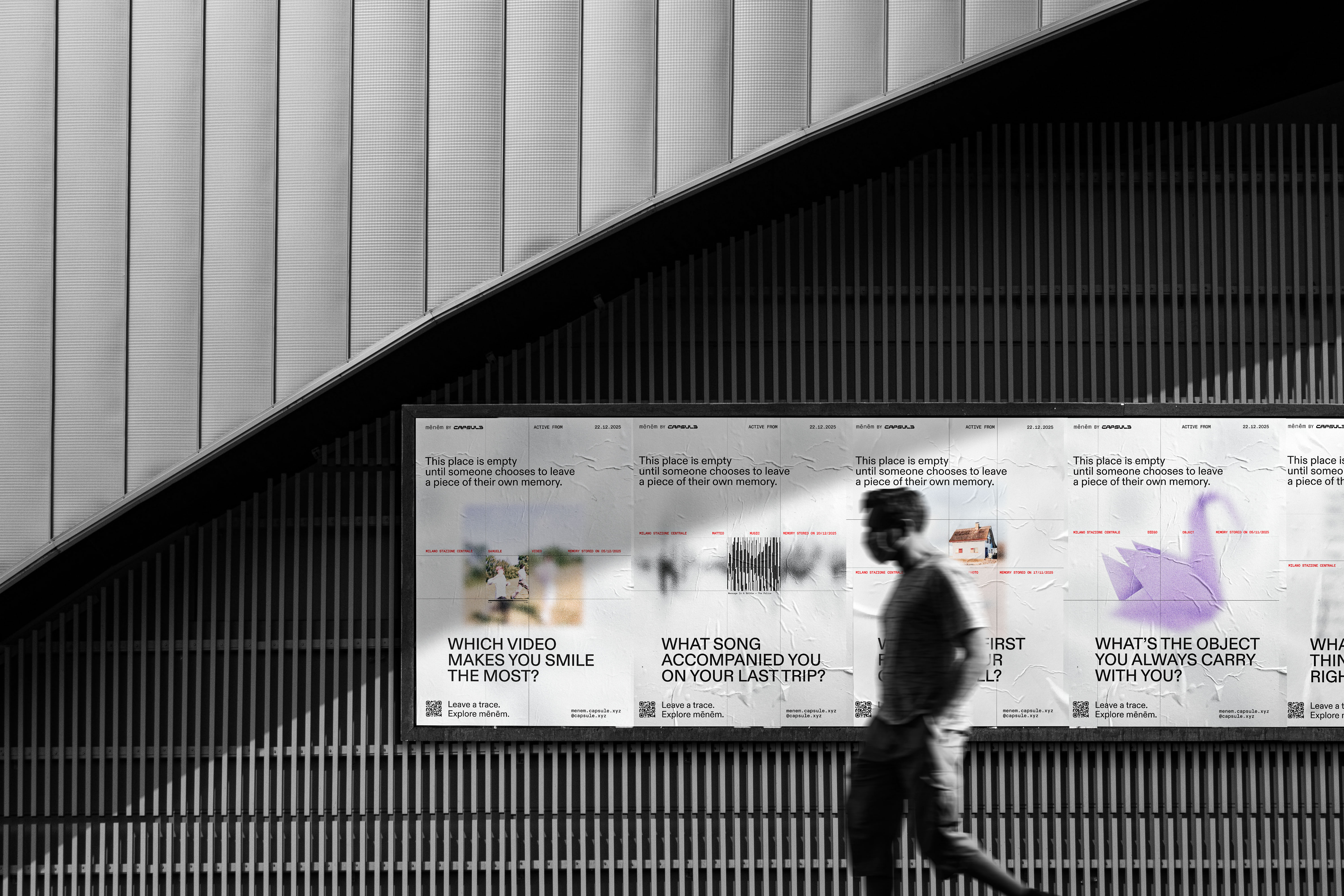
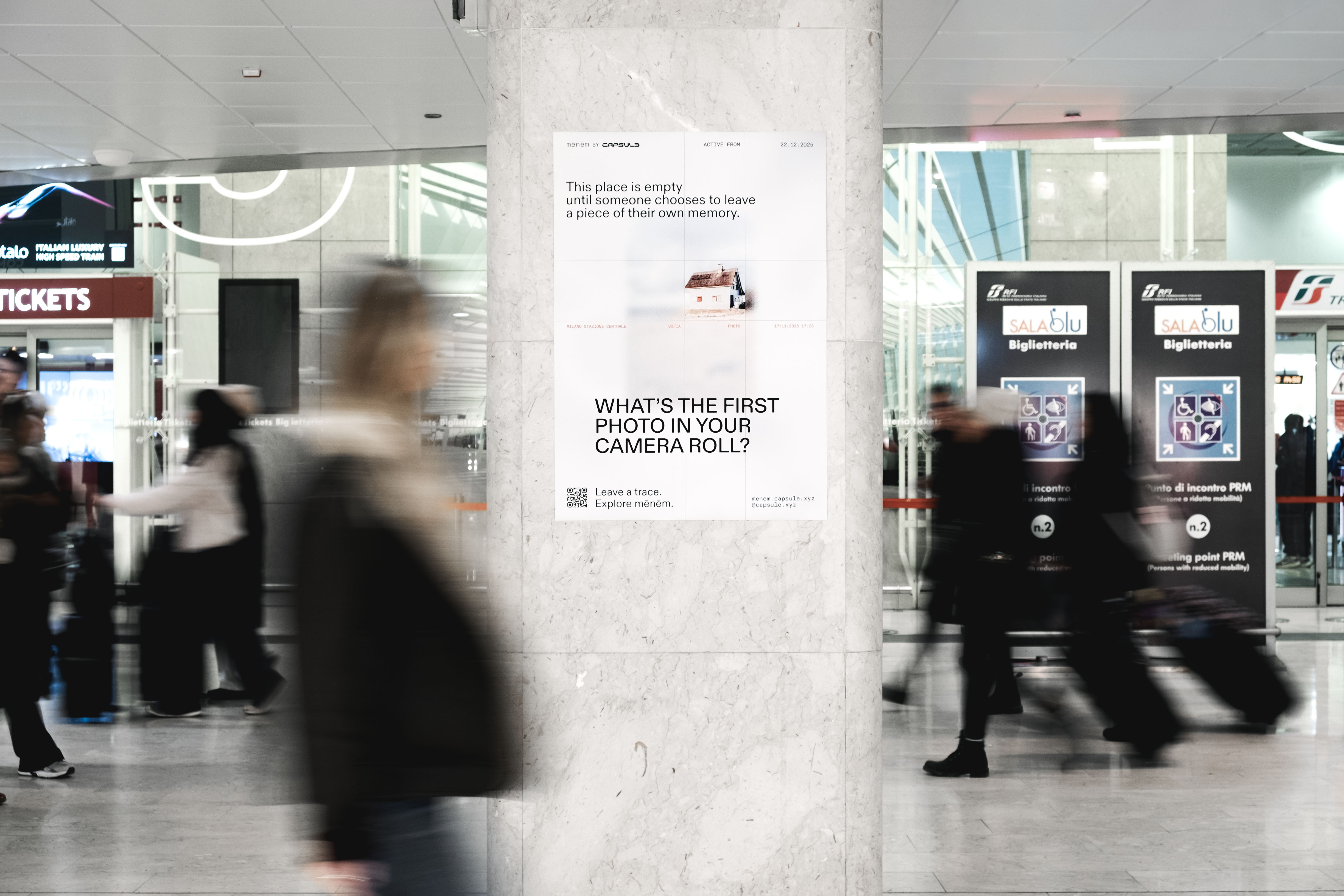
Capsule develops as a multidisciplinary collective investigating time and spaces of contemporary mobility. Grounded in listening-based research with Gen Z, the project addresses a form of mobility often perceived as utilitarian, anonymous, and emotionally empty. In response, Capsule reinterprets what Marc Augé defines as non-places, envisioning them as spaces capable of hosting memory and human connection. Through contextual analysis, Mēnēm
was conceived: a digital archive designed to preserve and interweave personal memories and small happiness [Marc Augé].
Mēnēm takes shape as a space-other, a heterotopic environment in Foucault’s sense, where traces of lived experience, such as images, sounds, words, objects, and videos, are collected precisely where permanence is usually denied: trains, stations, and spaces of transit. Conceived as an open and scalable system, the archive adapts to different mobility contexts while remaining deeply situated.
This digital dimension does not seek to accelerate mobility or increase efficiency. Instead, it inhabits the time of the journey, symbolically slowing it down and transforming transit into experience, and the non-place into a space rich with meaning.
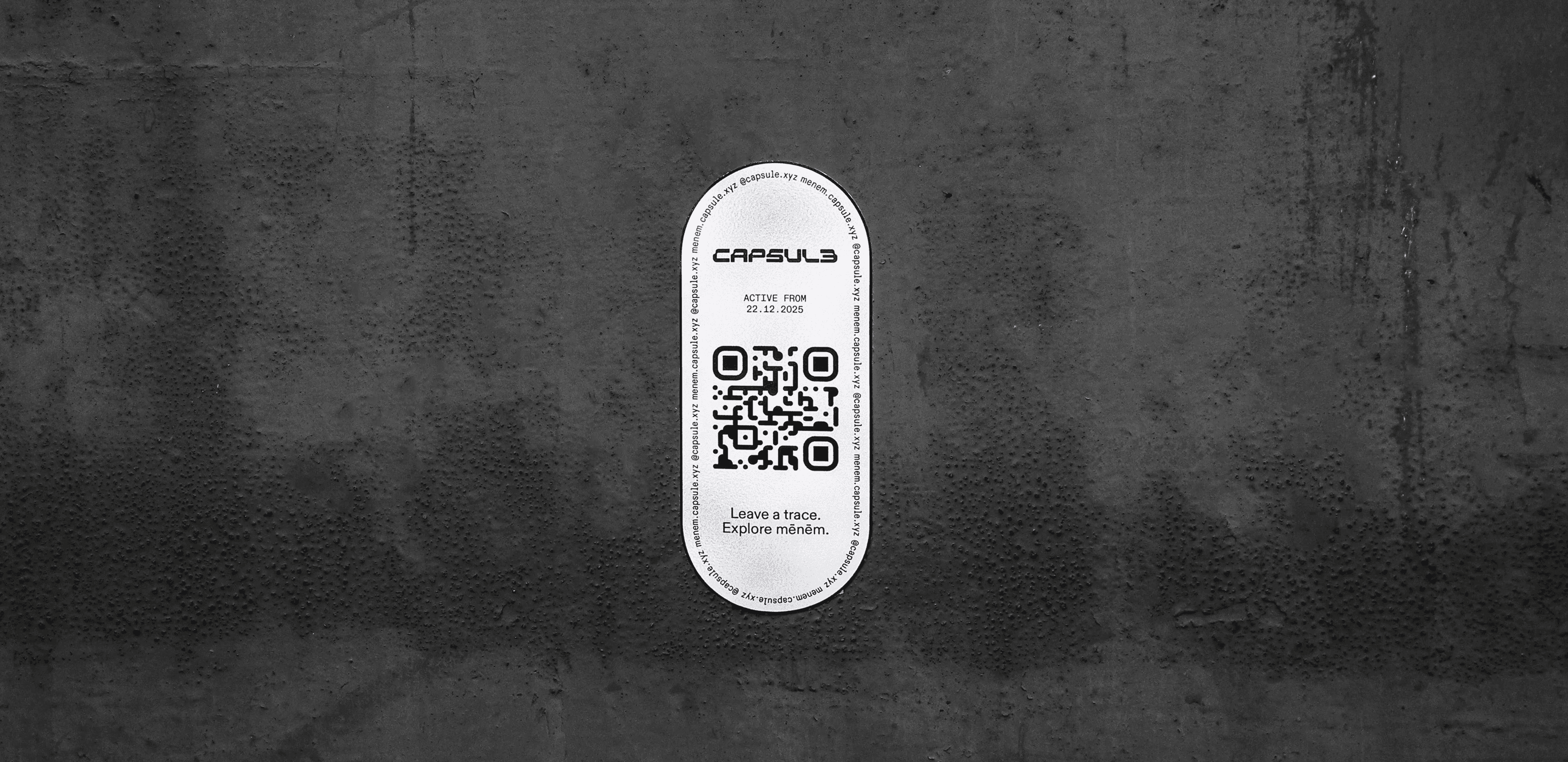
Accessible exclusively within spaces of mobility,
the archive allows individuals to remain within their intimate bubble or, with discretion, open up to a shared memory.
Through this process, Capsule reassigns value to the suspended time of mobility, transforming it into inhabited time — capable of hosting presence, narratives, and significance.
Coevo comes from the latin term coaevus, meaning "belonging to the same era," and reinterprets it to convey a complex and interconnected simultaneity between nature, humanity, and technology.
The magazine examines the co-evolution of these three entities, with the aim of offering a sustainable and cross-disciplinary perspective on the transformative processes that shape
contemporary times.
In a context where the boundaries between natural and artificial, biological and technological, human and post-human are increasingly blurred, Coevo explores the connections and mutual influences among these dimensions, redefining environments, identities, relationships, and systems.
Through a hybrid visual language and a fluid editorial structure, the magazine positions itself as a space for critical observation and imaginative speculation.
Each issue brings together visual essays, theoretical reflections, and experimental narratives, fostering dialogue between design, science, and philosophy.
Coevo comes from the latin term coaevus, meaning "belonging to the same era," and reinterprets it to convey a complex and interconnected simultaneity between nature, humanity, and technology.
The magazine examines the co-evolution of these three entities, with the aim of offering a sustainable and cross-disciplinary perspective on the transformative processes that shape contemporary times.
In a context where the boundaries between natural and artificial, biological and technological, human and post-human are increasingly blurred, Coevo explores the connections and mutual influences among these dimensions, redefining environments, identities, relationships, and systems.
Through a hybrid visual language and a fluid editorial structure, the magazine positions itself as a space for critical observation and imaginative speculation.
Each issue brings together visual essays, theoretical reflections, and experimental narratives, fostering dialogue between design, science, and philosophy.
co:evo, Issue 01: Imitating
[2025]

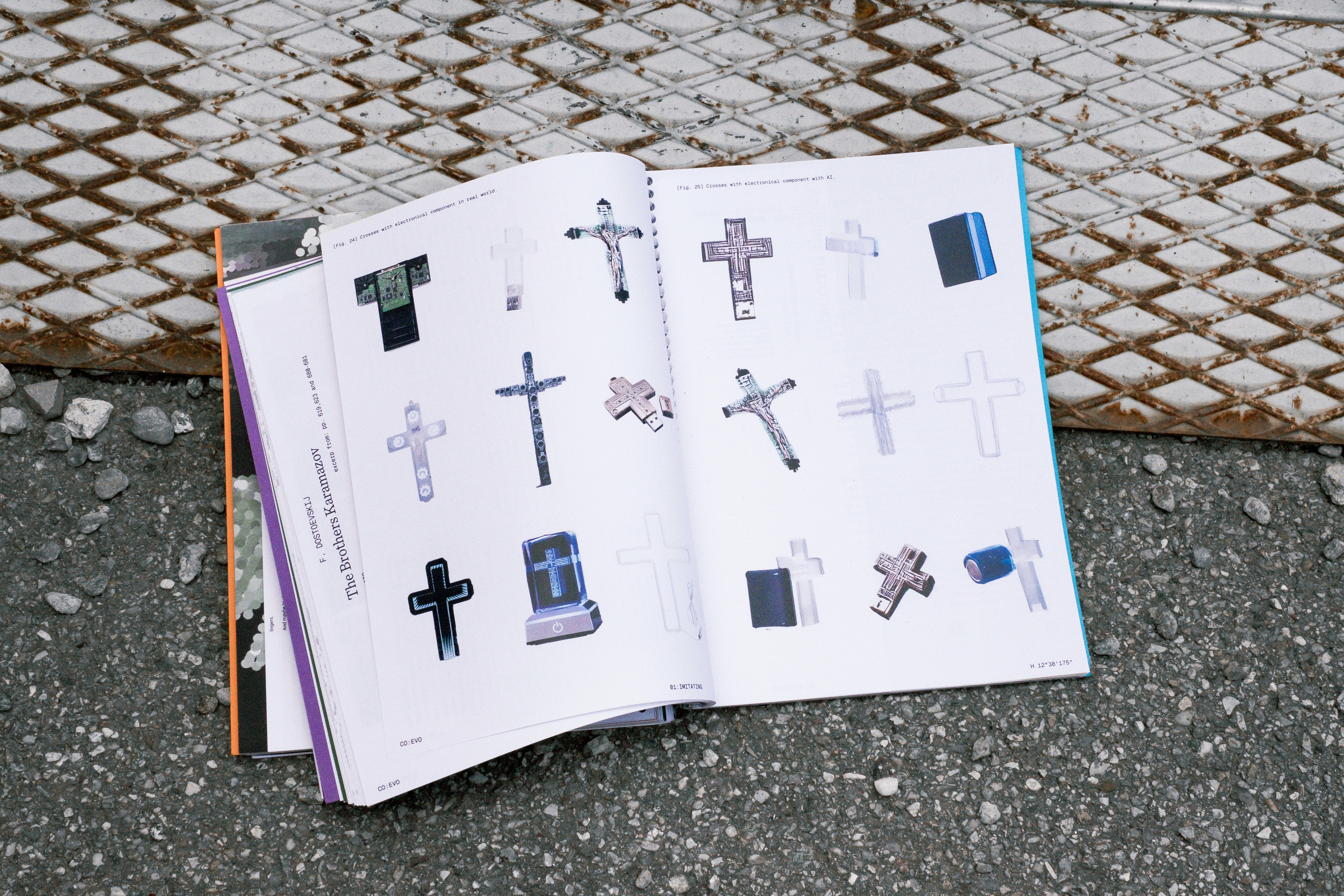
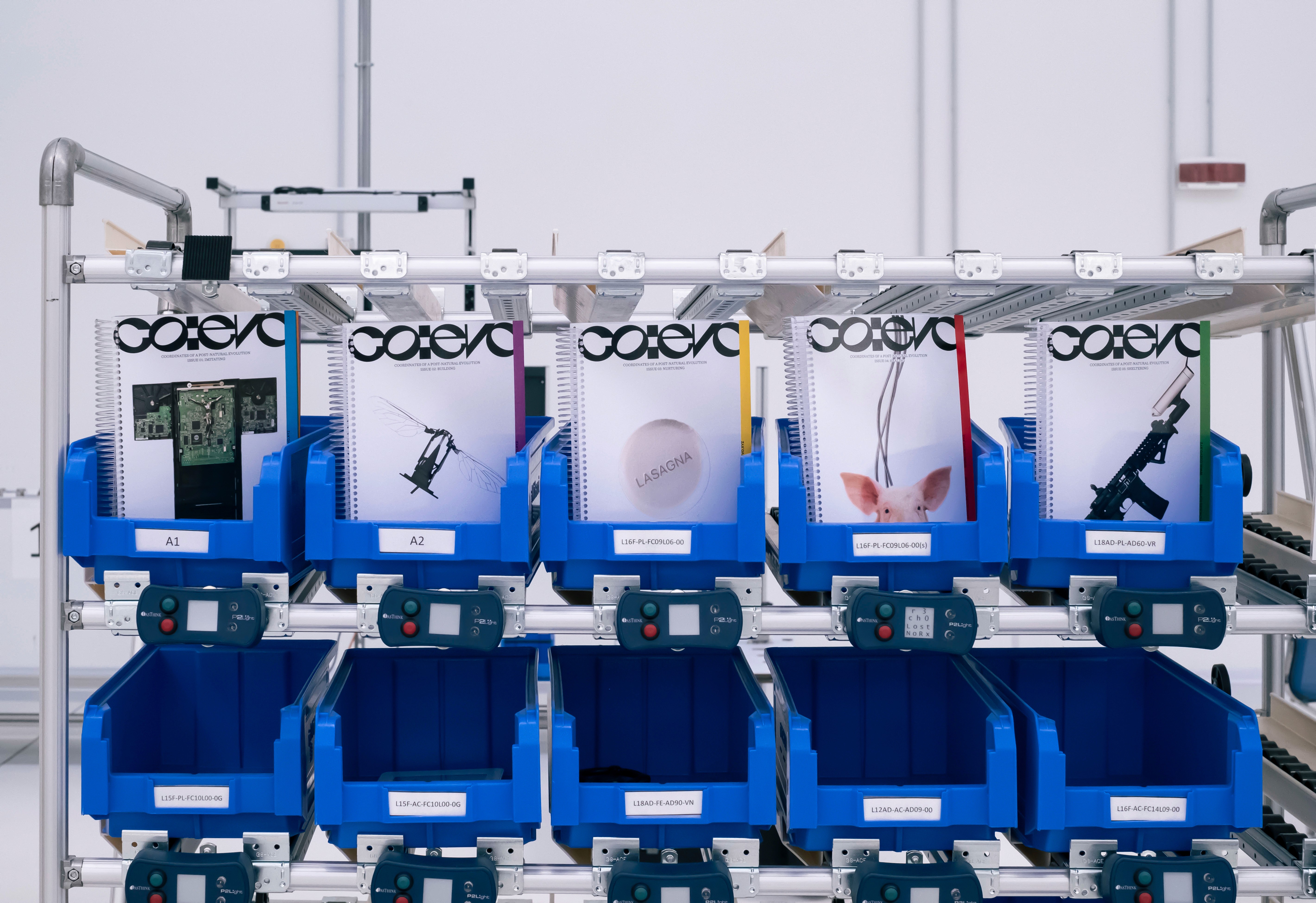
Art direction—Editorial design
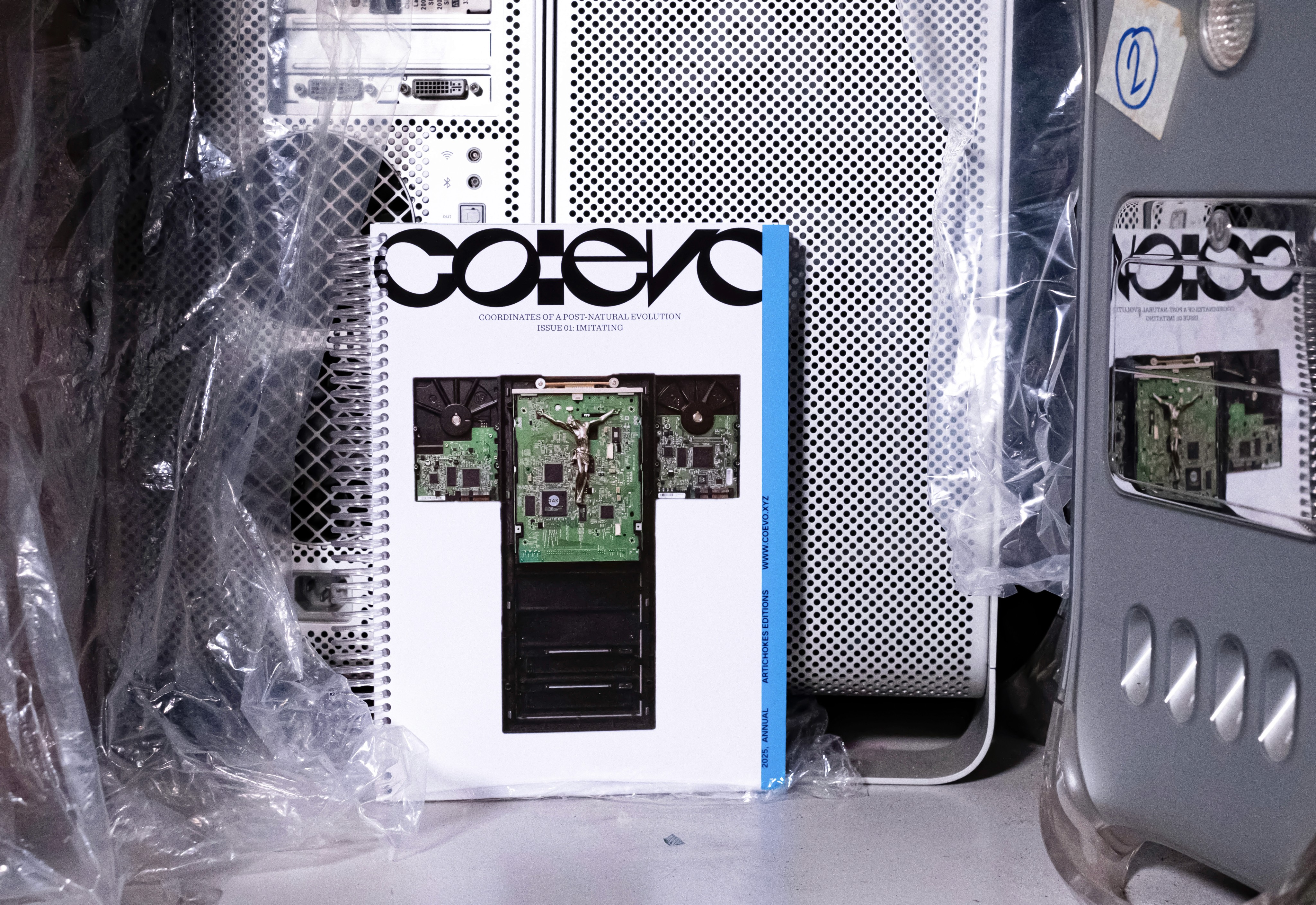
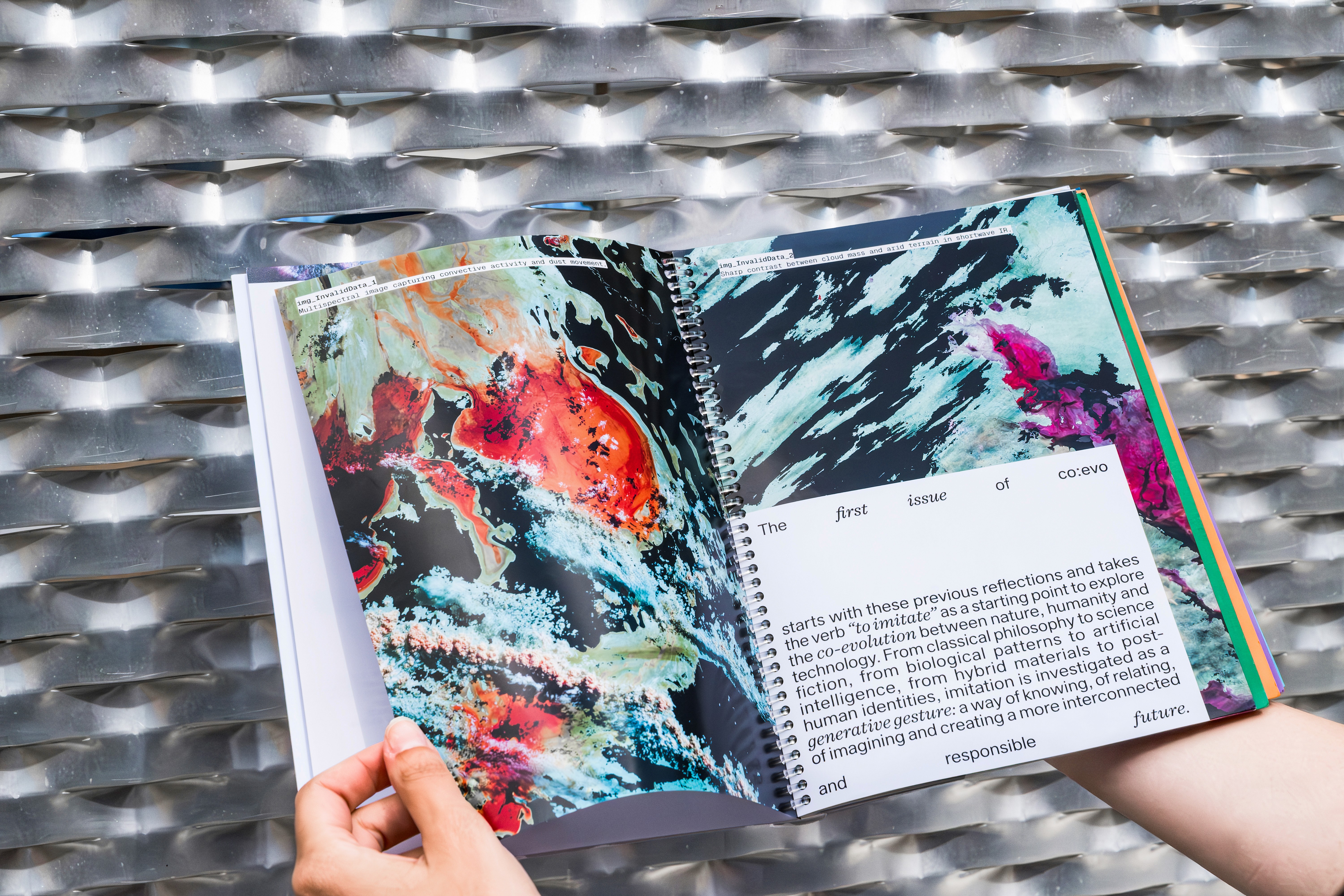
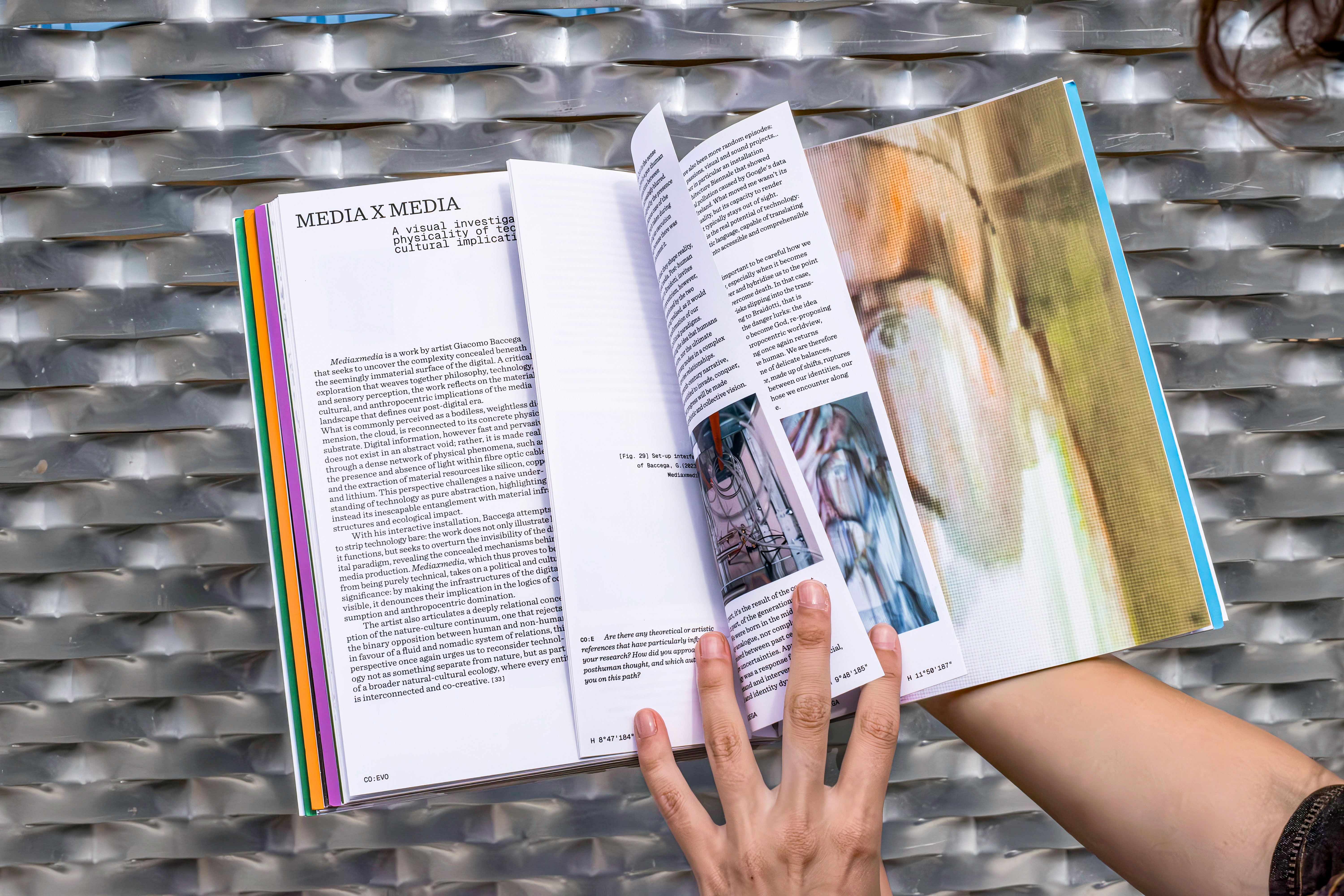
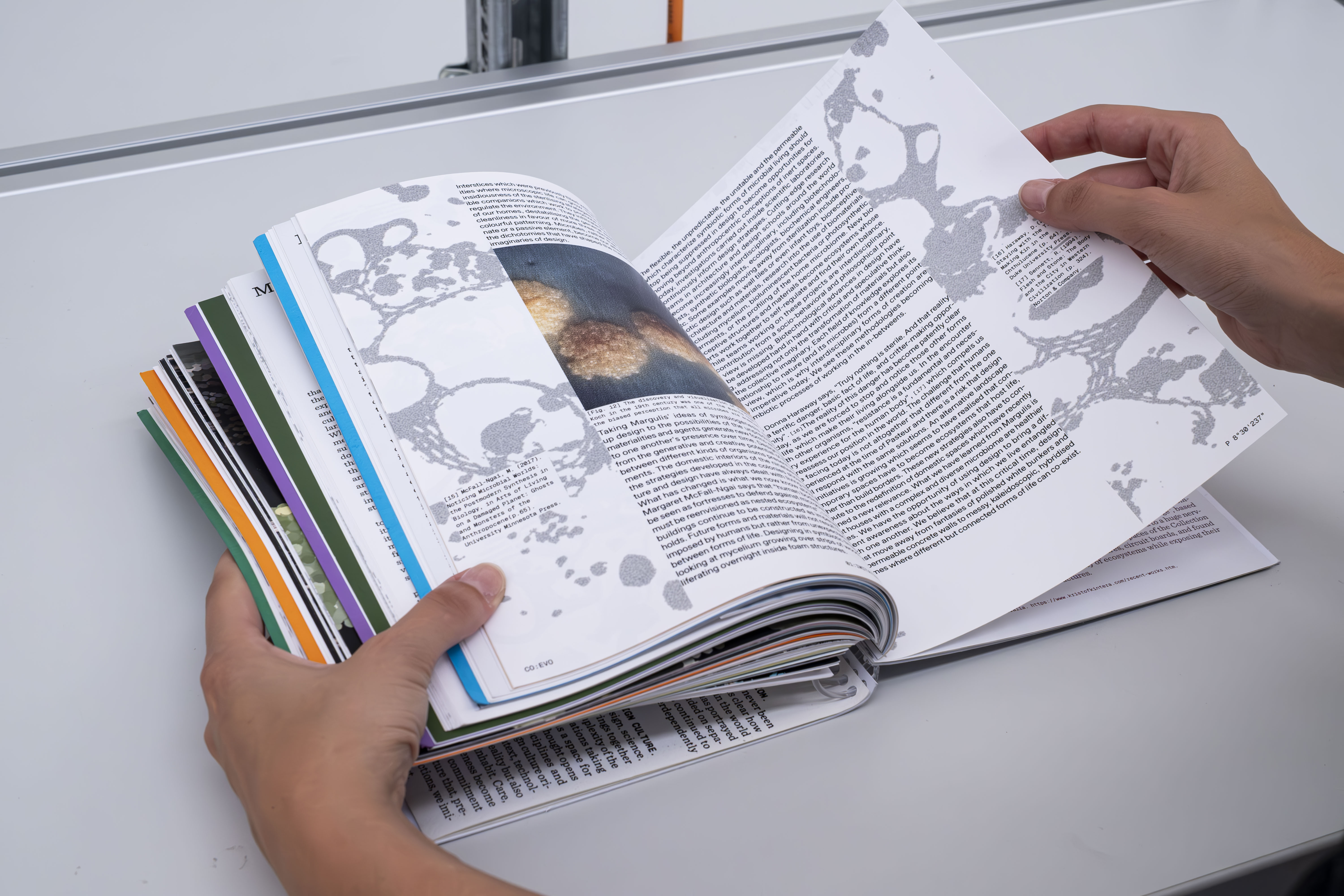
Coevo comes from the latin term coaevus, meaning "belonging to the same era," and reinterprets it to convey a complex and interconnected simultaneity between nature, humanity, and technology.
The magazine examines the co-evolution
of these three entities, with the aim of offering
a sustainable and cross-disciplinary perspective
on the transformative processes that shape
contemporary times.
In a context where the boundaries between natural and artificial, biological and technological, human and post-human are increasingly blurred, Coevo explores the connections and mutual influences among these dimensions, redefining environments, identities, relationships, and systems.
Through a hybrid visual language and a fluid editorial structure, the magazine positions itself as a space
for critical observation and imaginative speculation.
Each issue brings together visual essays, theoretical reflections, and experimental narratives, fostering dialogue between design, science, and philosophy.
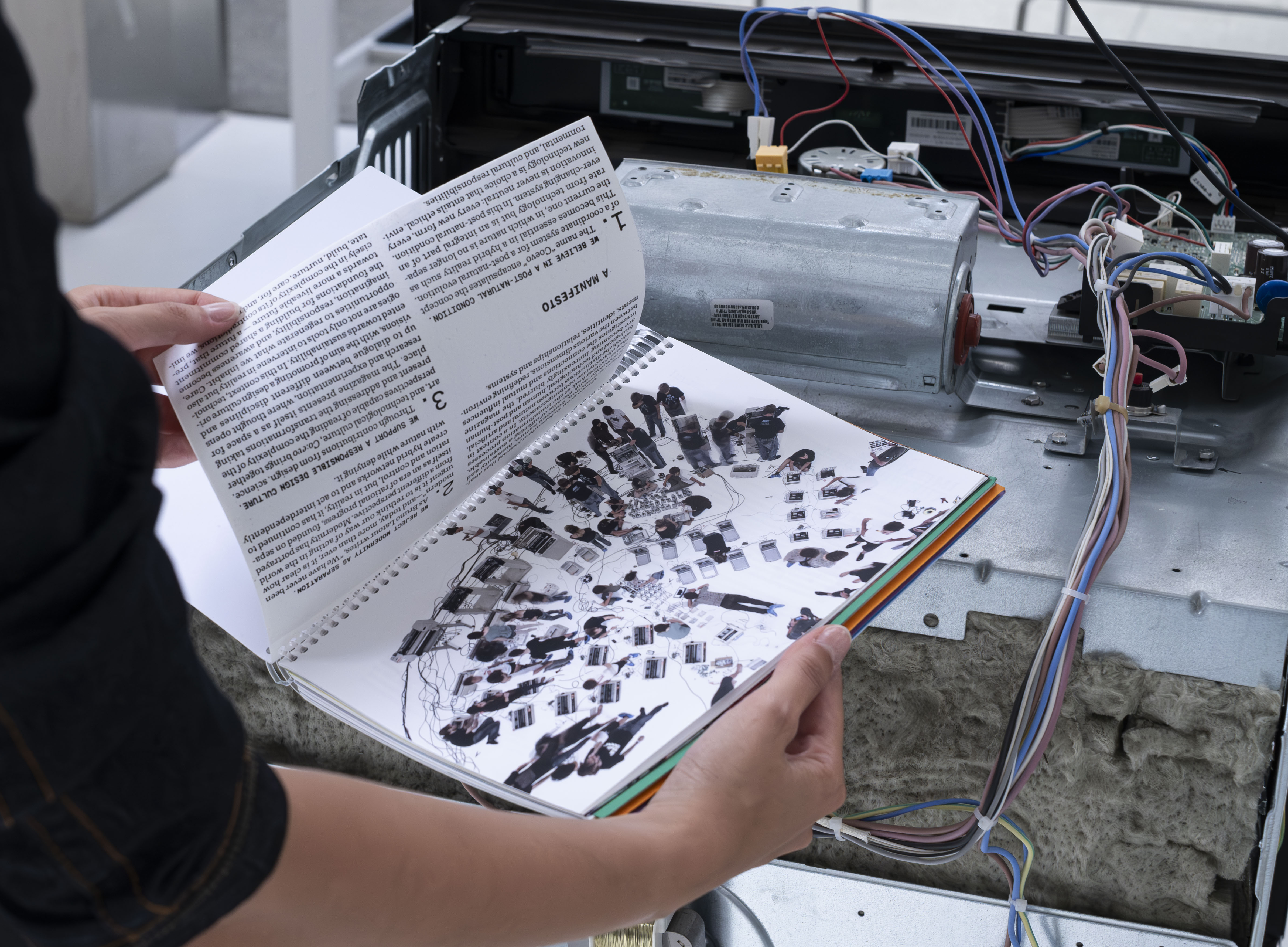
Alongside the magazine, Coevo expands into a performative video conceived as a transmedial editorial experiment. Participants are invited to physically take a position in space in response to a simple question: is what you are seeing natural or unnatural? By turning an abstract distinction into a bodily choice, the performance reveals the ambiguity of the natural/unnatural divide and reinforces the project’s reflection on post-natural evolution as a shared and situated process.
Coevo comes from the latin term coaevus, meaning "belonging to the same era," and reinterprets it to convey a complex and interconnected simultaneity between nature, humanity, and technology.
The magazine examines the co-evolution of these three entities, with the aim of offering a sustainable and cross-disciplinary perspective on the transformative processes that shape contemporary times.
In a context where the boundaries between natural and artificial, biological and technological, human and post-human are increasingly blurred, Coevo explores the connections and mutual influences among these dimensions, redefining environments, identities, relationships, and systems.
Through a hybrid visual language and a fluid editorial structure, the magazine positions itself as a space for critical observation and imaginative speculation.
Each issue brings together visual essays, theoretical reflections, and experimental narratives, fostering dialogue between design, science, and philosophy.
Coevo comes from the latin term coaevus, meaning "belonging to the same era," and reinterprets it to convey a complex and interconnected simultaneity between nature, humanity, and technology.
The magazine examines the co-evolution of these three entities, with the aim of offering a sustainable and cross-disciplinary perspective on the transformative processes that shape contemporary times.
In a context where the boundaries between natural and artificial, biological and technological, human and post-human are increasingly blurred, Coevo explores the connections and mutual influences among these dimensions, redefining environments, identities, relationships, and systems.
Through a hybrid visual language and a fluid editorial structure, the magazine positions itself as a space for critical observation and imaginative speculation.
Each issue brings together visual essays, theoretical reflections, and experimental narratives, fostering dialogue between design, science, and philosophy.
Team
Lumen
[2025]
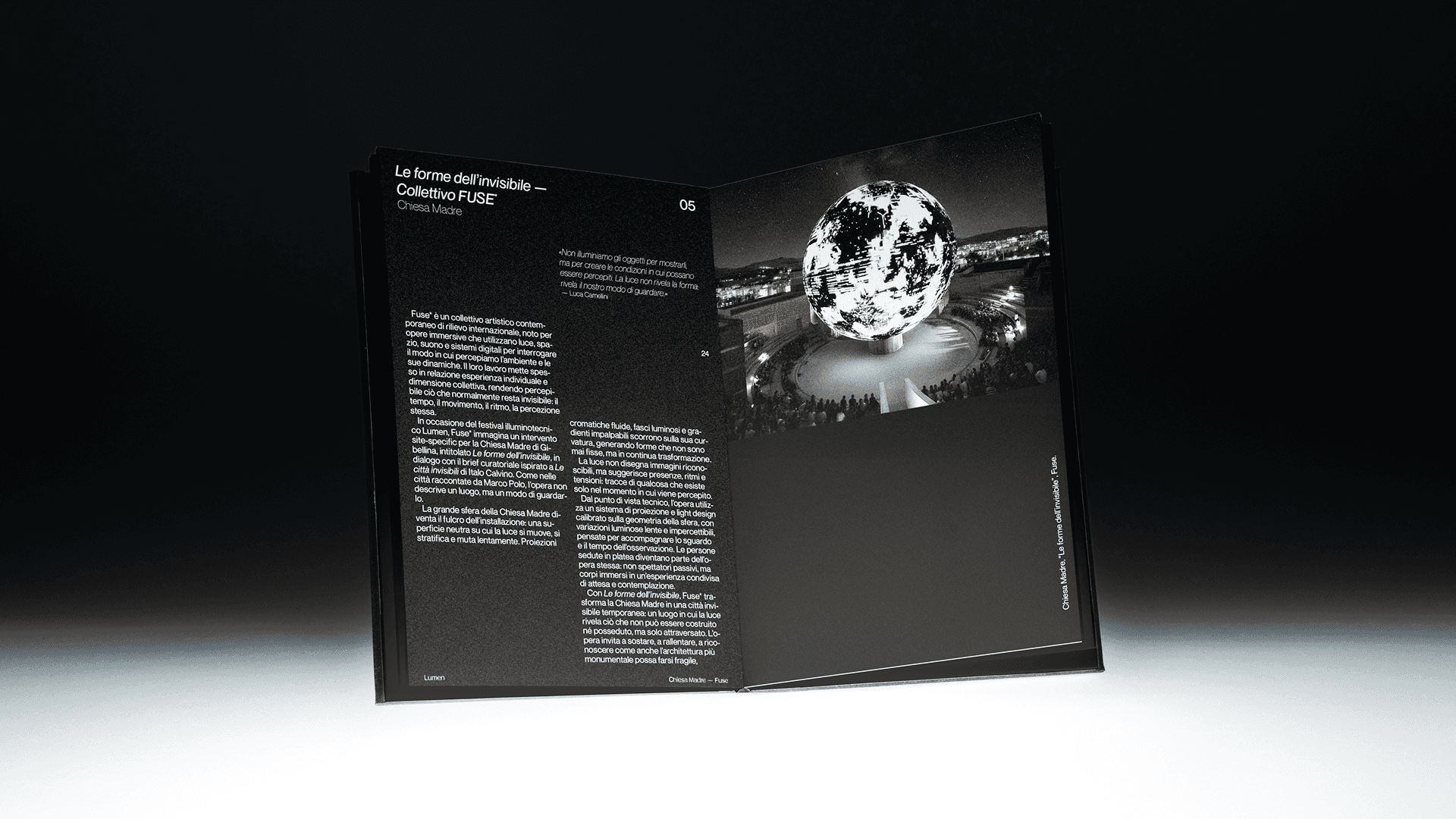
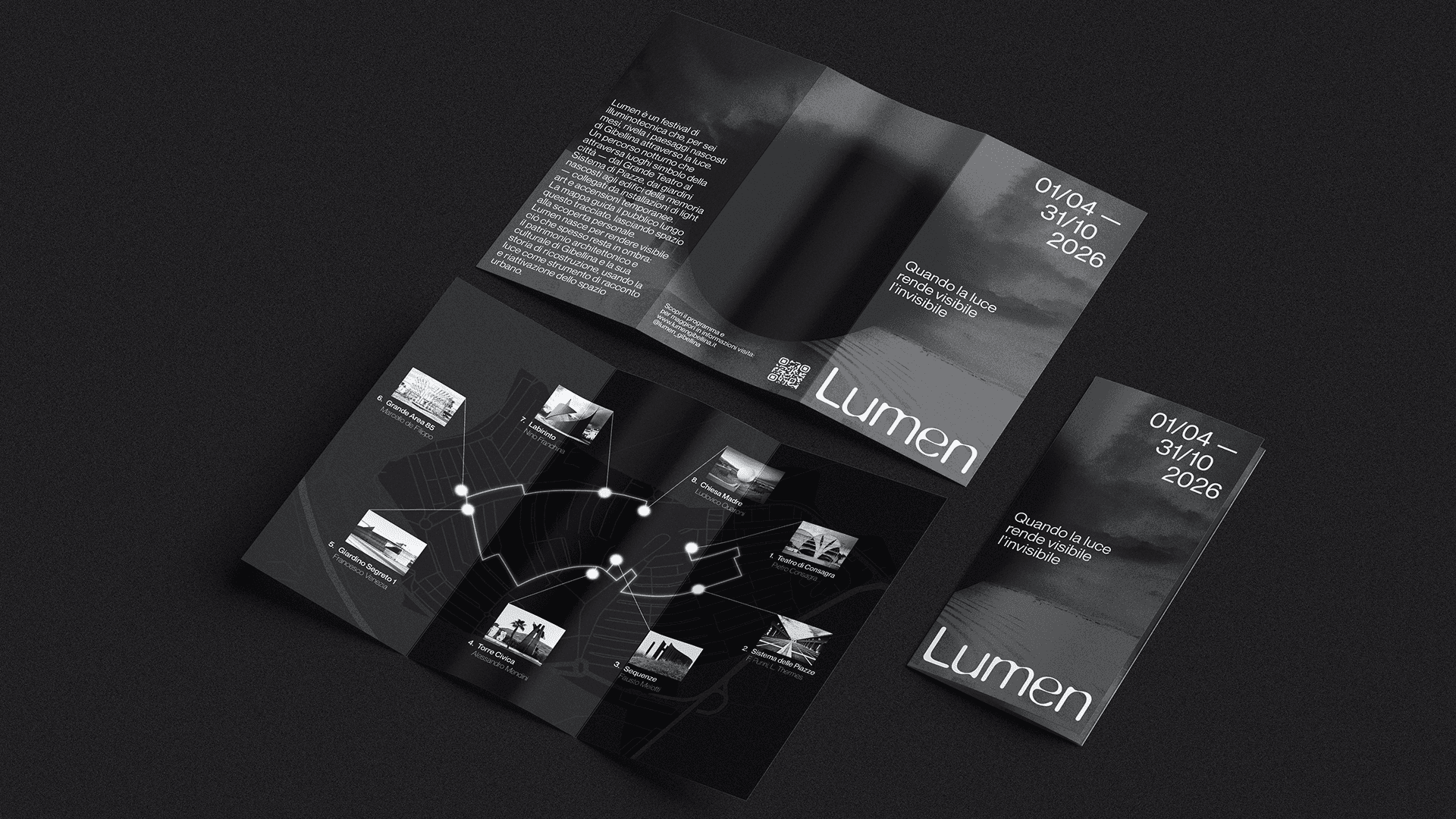
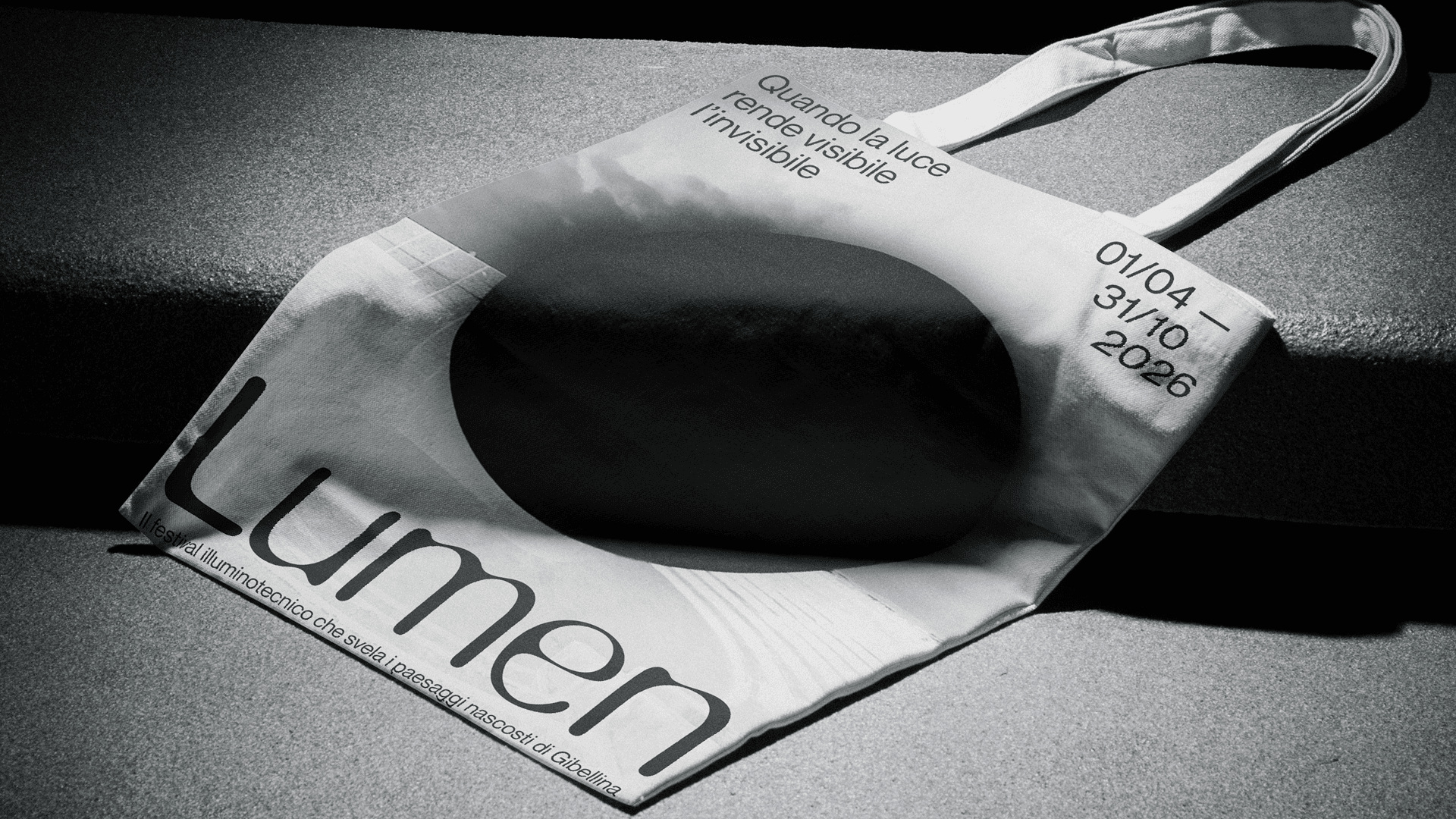
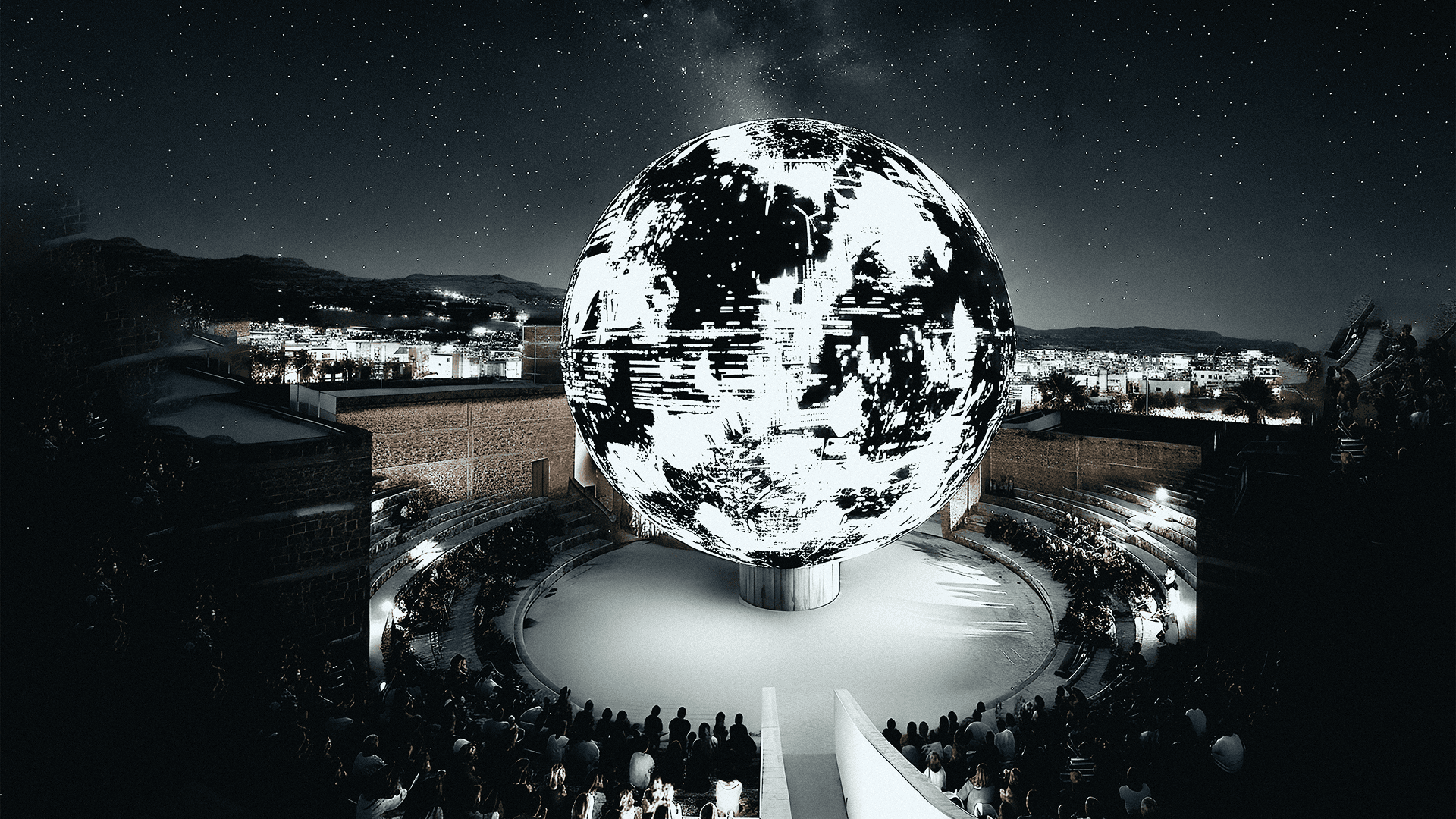
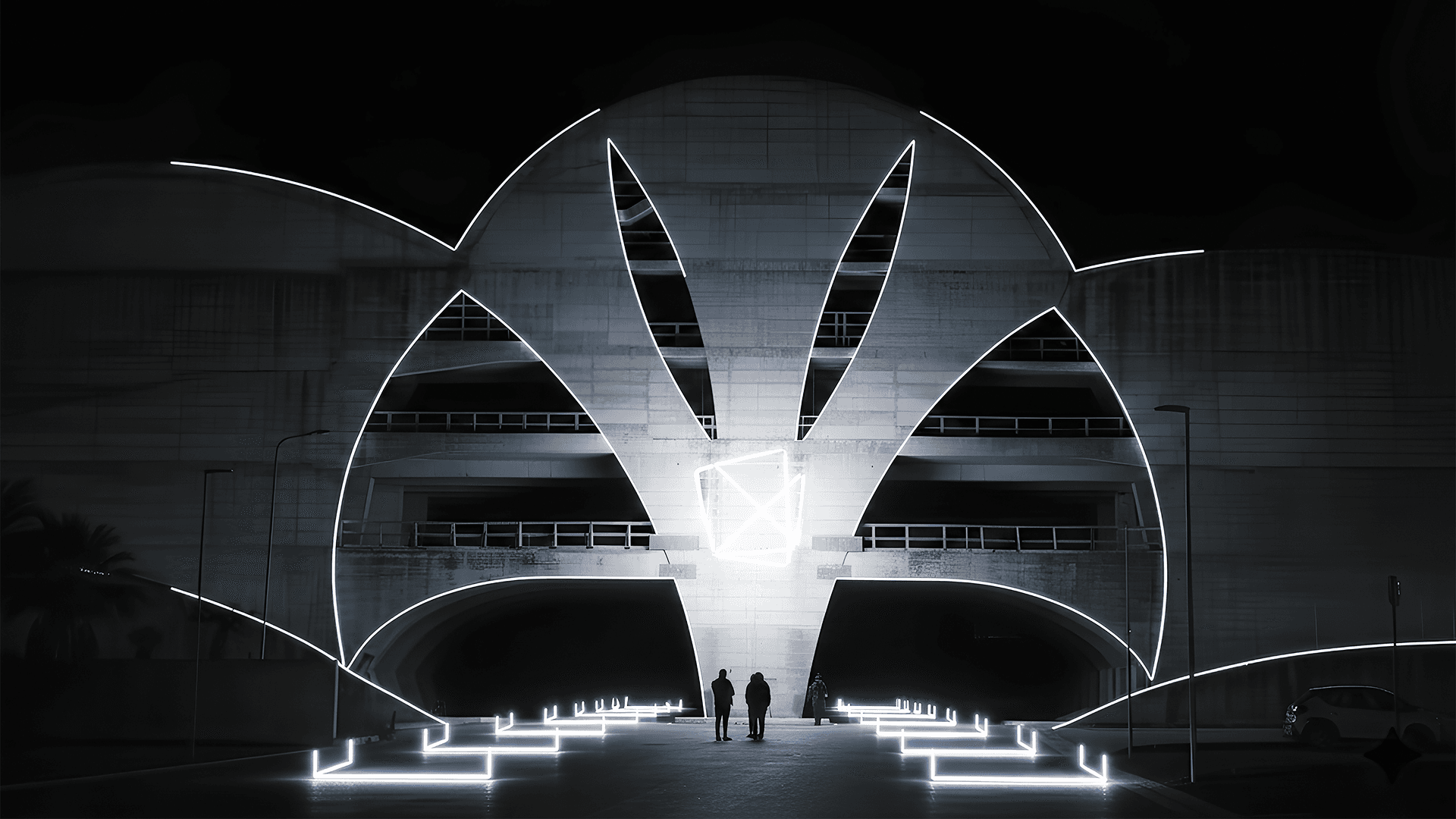
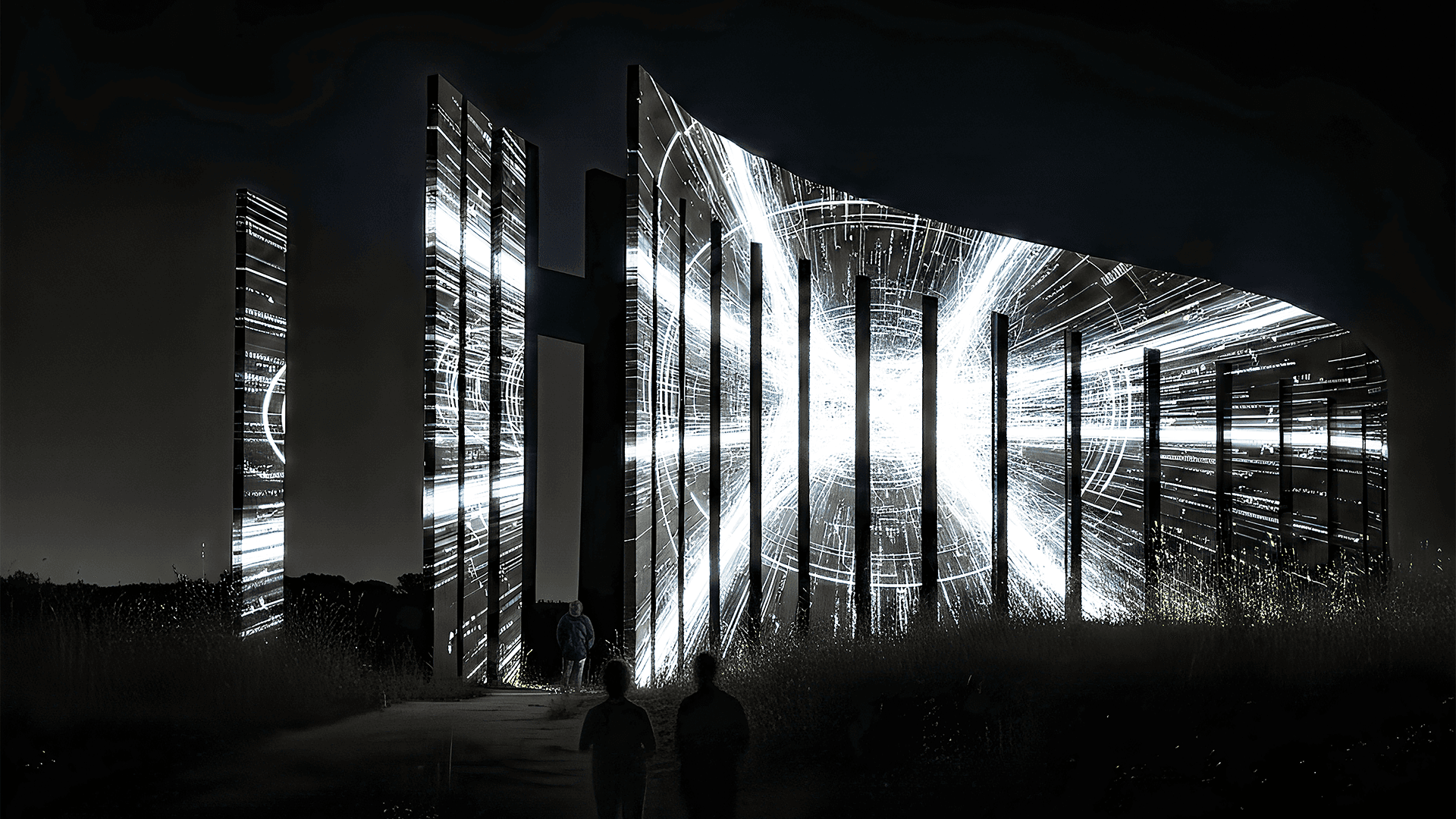
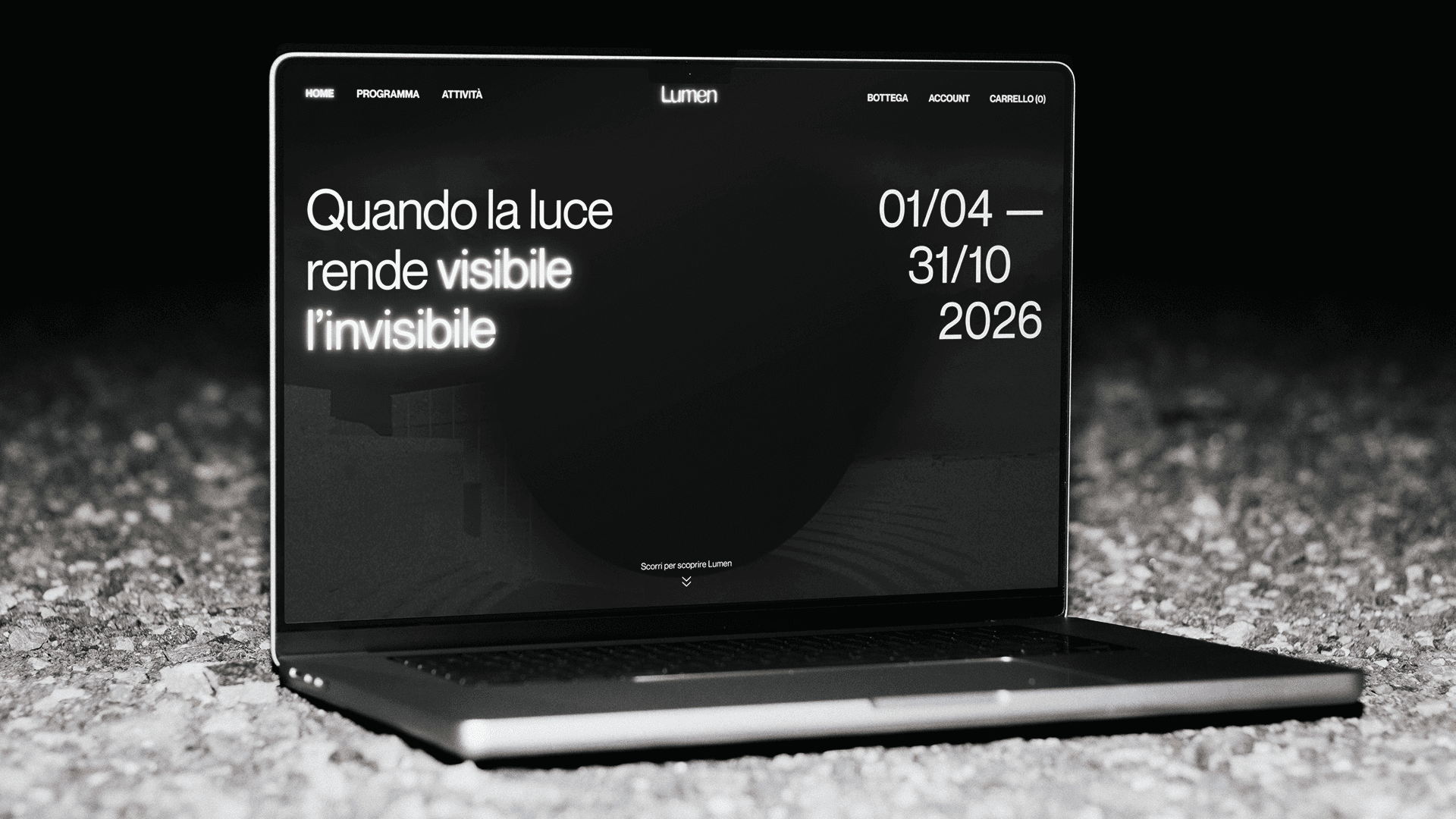
Design for the enhancement of cultural heritage
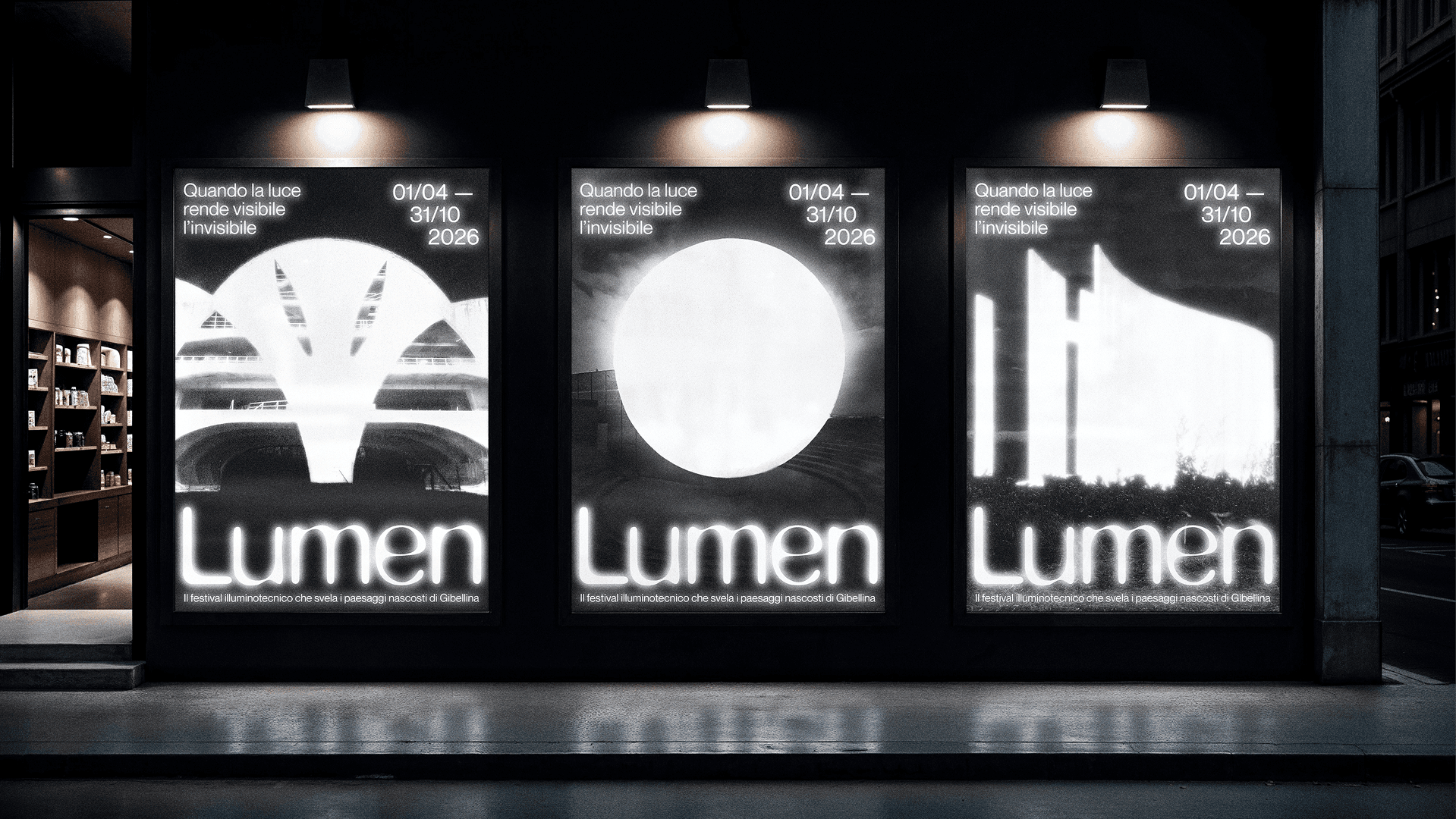
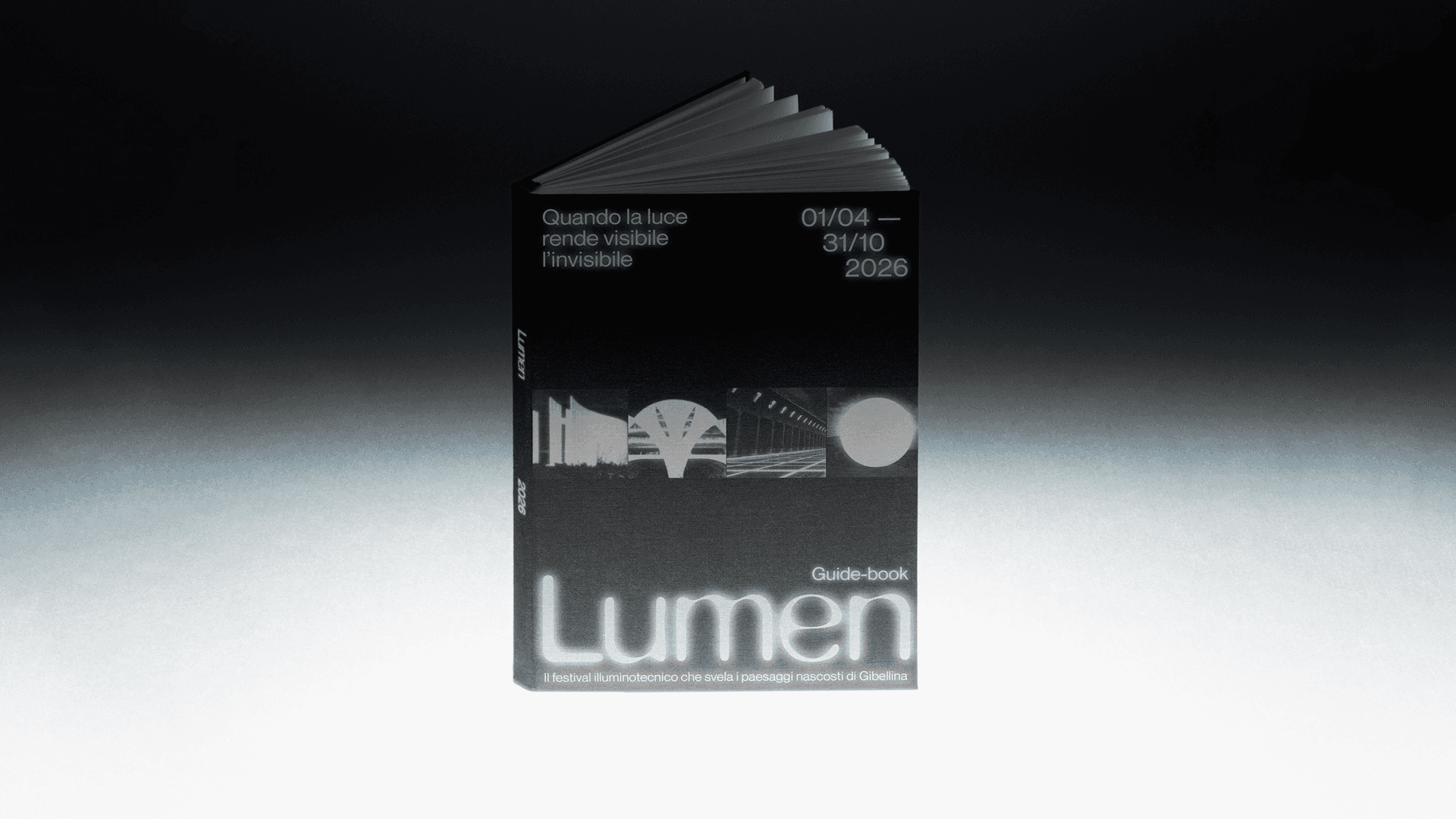
Lumen is a cultural enhancement project that explores light as a strategic medium to reactivate urban space and reinterpret contemporary artistic heritage. Developed for the city of Gibellina (Sicily), the project responds to a condition of nocturnal invisibility, where architecture, artworks, and collective identity tend to fade from perception.
Conceived within the course "Design for the Enhancement of Cultural Heritage", led by Luciano Galimberti (Director of the ADI Design Museum, Milan), Lumen is envisioned for 2026, the year in which Gibellina will become Italy’s Capital of Contemporary Art. The project takes the form of an annual lighting festival, where light functions as a narrative and relational language capable of revealing artworks, architecture, and urban voids.
Beyond the festival format, Lumen is primarily conceived as a long-term cultural strategy.
The project focuses on defining a coherent approach to cultural valorization, while the visual identity and communication system were developed in the final phase of the course as supporting tools.
Through light-based installations and participatory experiences, light is framed as a practice of care and reactivation, fostering renewed relationships between people, place, and memory.
Coevo comes from the latin term coaevus, meaning "belonging to the same era," and reinterprets it to convey a complex and interconnected simultaneity between nature, humanity, and technology.
The magazine examines the co-evolution of these three entities, with the aim of offering a sustainable and cross-disciplinary perspective on the transformative processes that shape contemporary times.
In a context where the boundaries between natural and artificial, biological and technological, human and post-human are increasingly blurred, Coevo explores the connections and mutual influences among these dimensions, redefining environments, identities, relationships, and systems.
Through a hybrid visual language and a fluid editorial structure, the magazine positions itself as a space for critical observation and imaginative speculation.
Each issue brings together visual essays, theoretical reflections, and experimental narratives, fostering dialogue between design, science, and philosophy.
Coevo comes from the latin term coaevus, meaning "belonging to the same era," and reinterprets it to convey a complex and interconnected simultaneity between nature, humanity, and technology.
The magazine examines the co-evolution of these three entities, with the aim of offering a sustainable and cross-disciplinary perspective on the transformative processes that shape contemporary times.
In a context where the boundaries between natural and artificial, biological and technological, human and post-human are increasingly blurred, Coevo explores the connections and mutual influences among these dimensions, redefining environments, identities, relationships, and systems.
Through a hybrid visual language and a fluid editorial structure, the magazine positions itself as a space for critical observation and imaginative speculation.
Each issue brings together visual essays, theoretical reflections, and experimental narratives, fostering dialogue between design, science, and philosophy.
Team
Bachelor
Thesis project
Main themes
— Neuromarketing
— Perfumery
— Contemporary art
Avanguardia Sensoriale, ADG Avantgarde
Avanguardia Sensoriale,ADG Avantgarde
[2024]
Bachelor
Thesis project
Main themes
— Neuromarketing
— Perfumery
— Contemporary art
Communication design—Event design
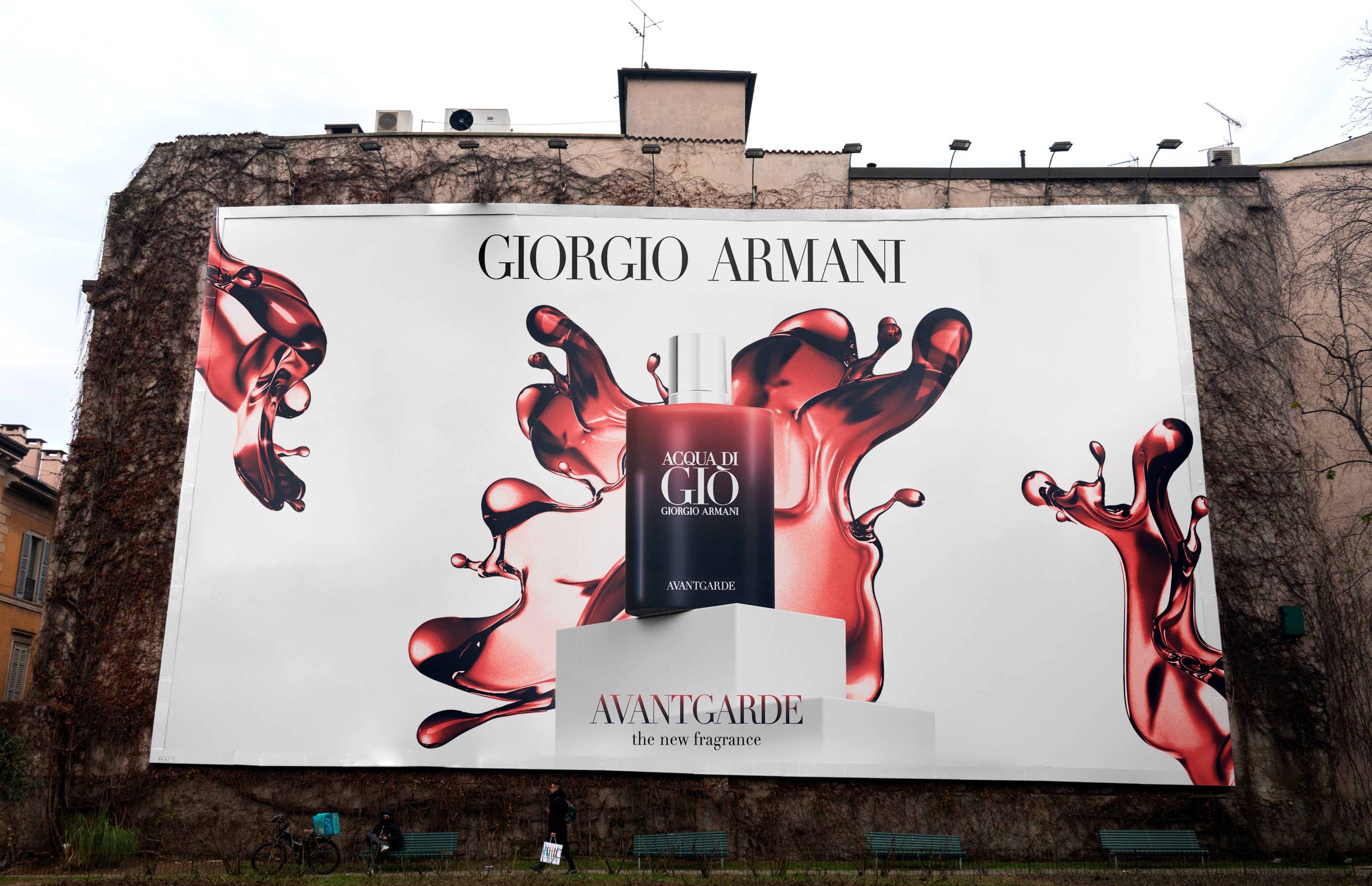
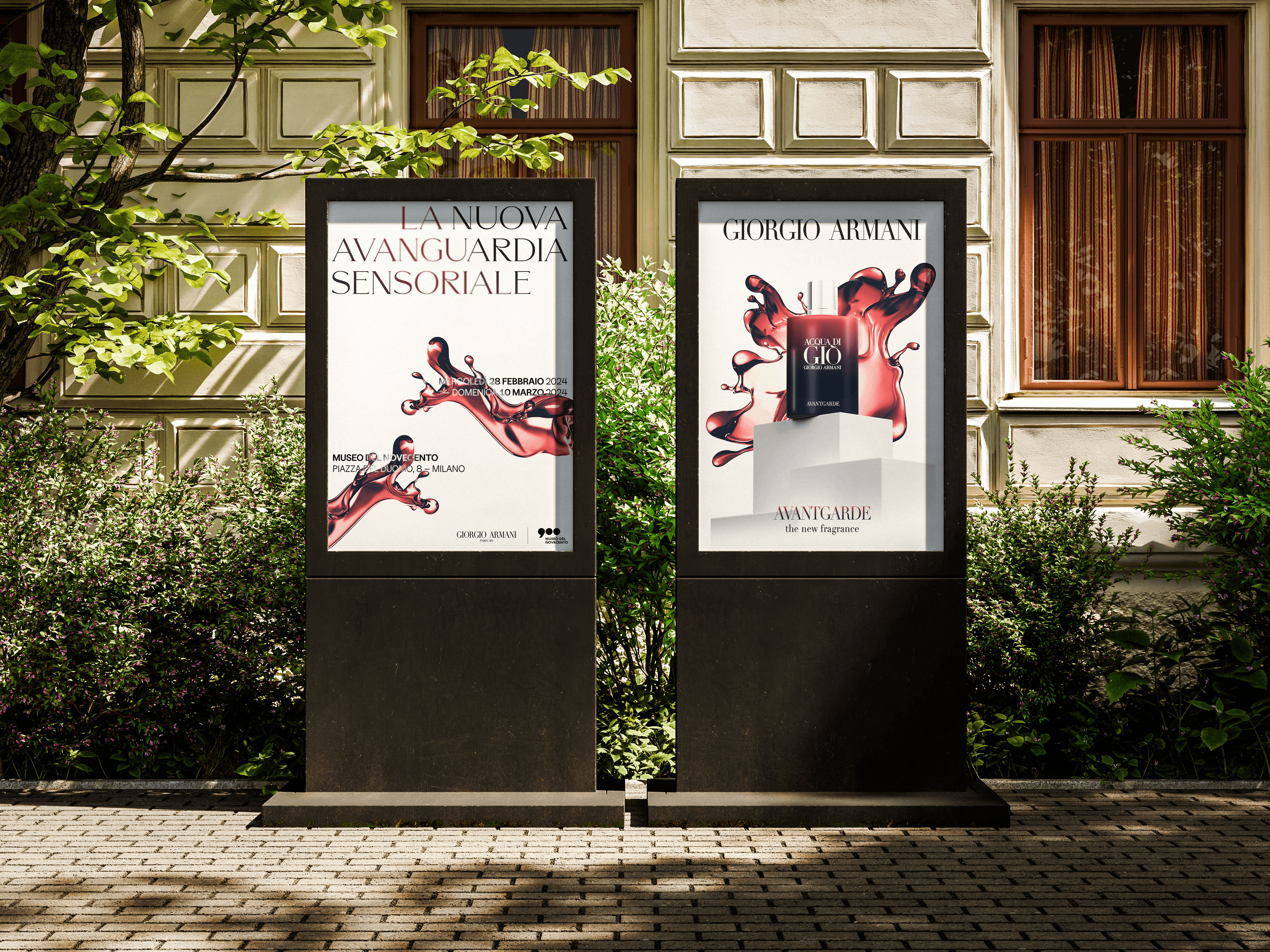
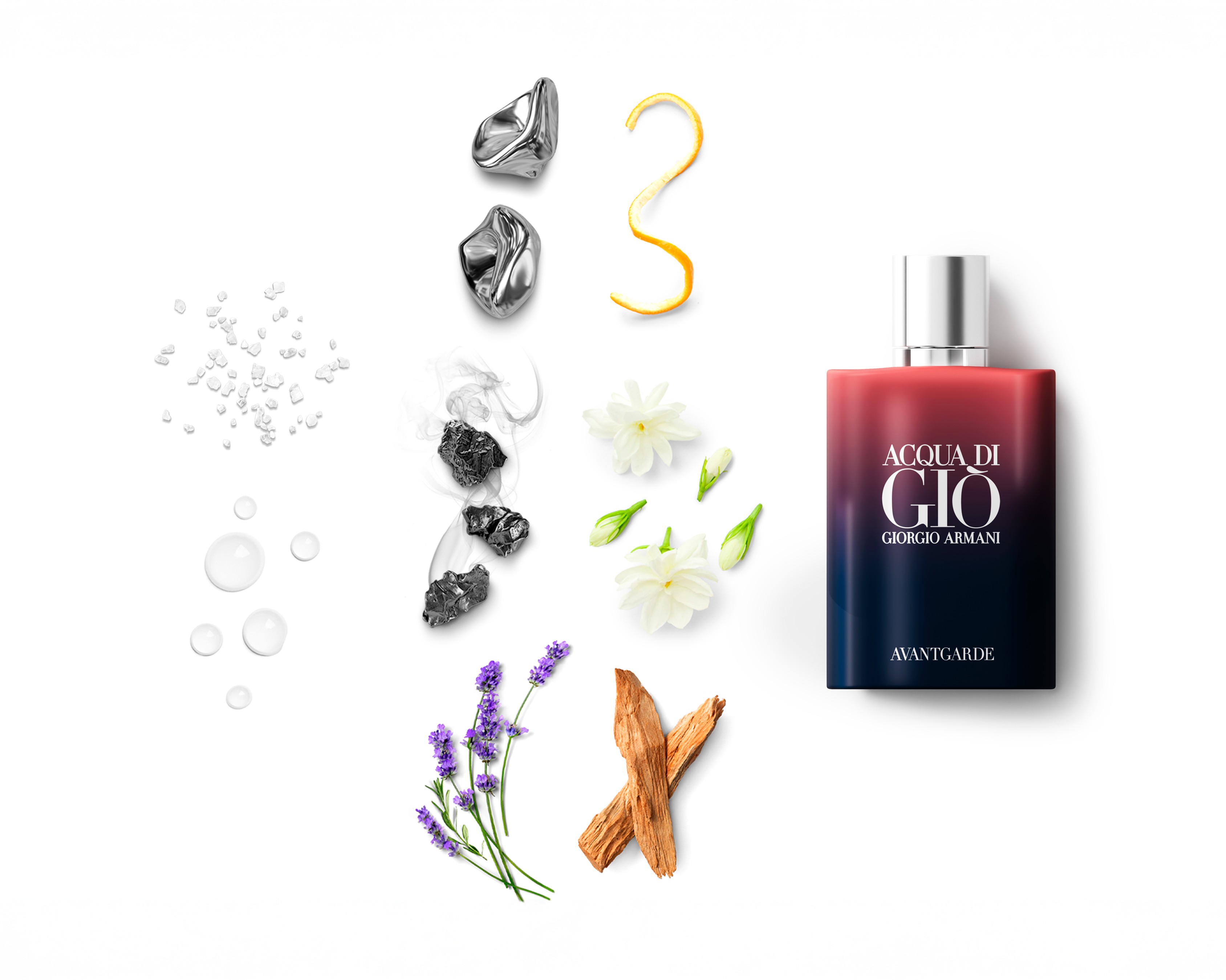
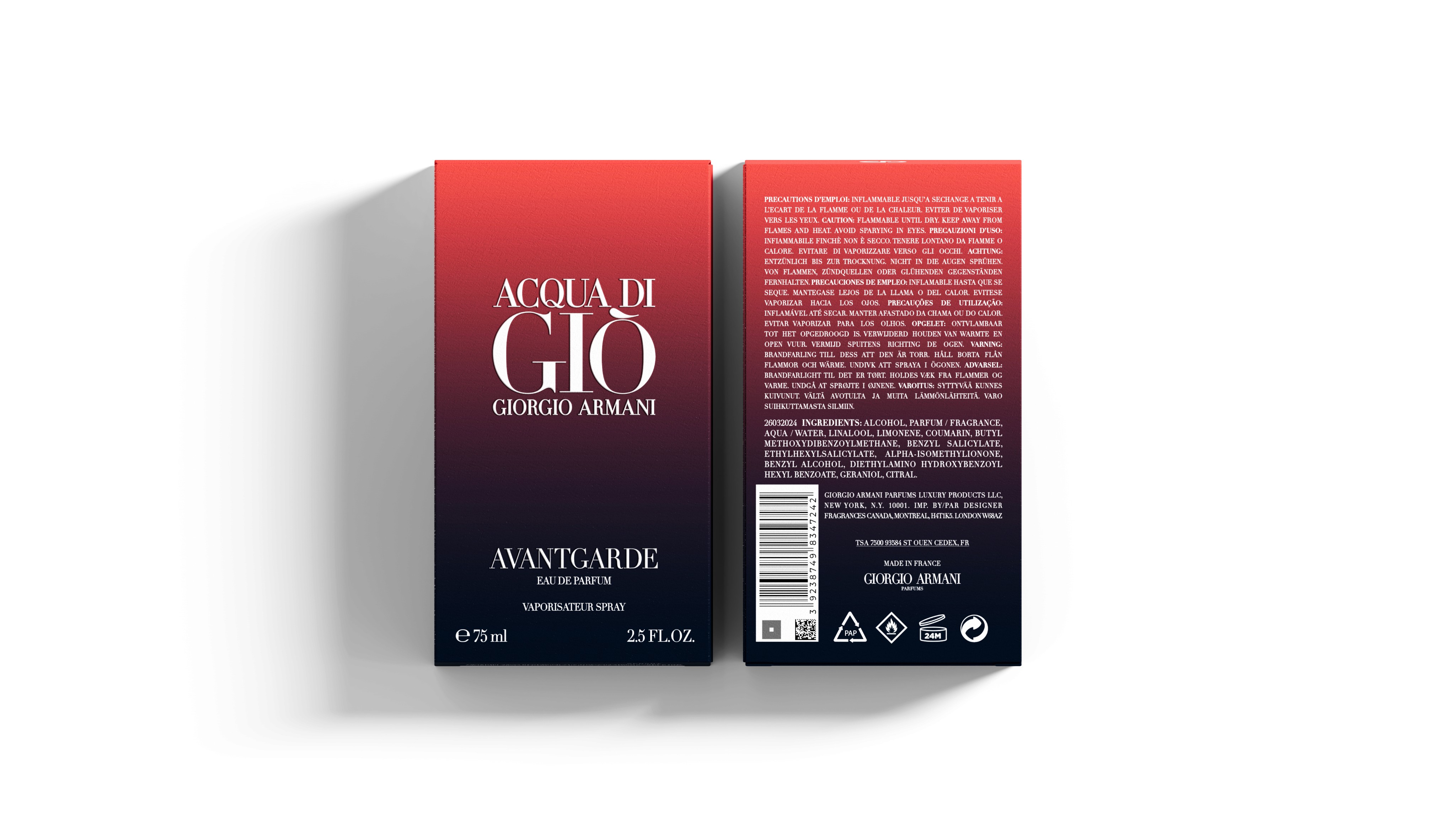
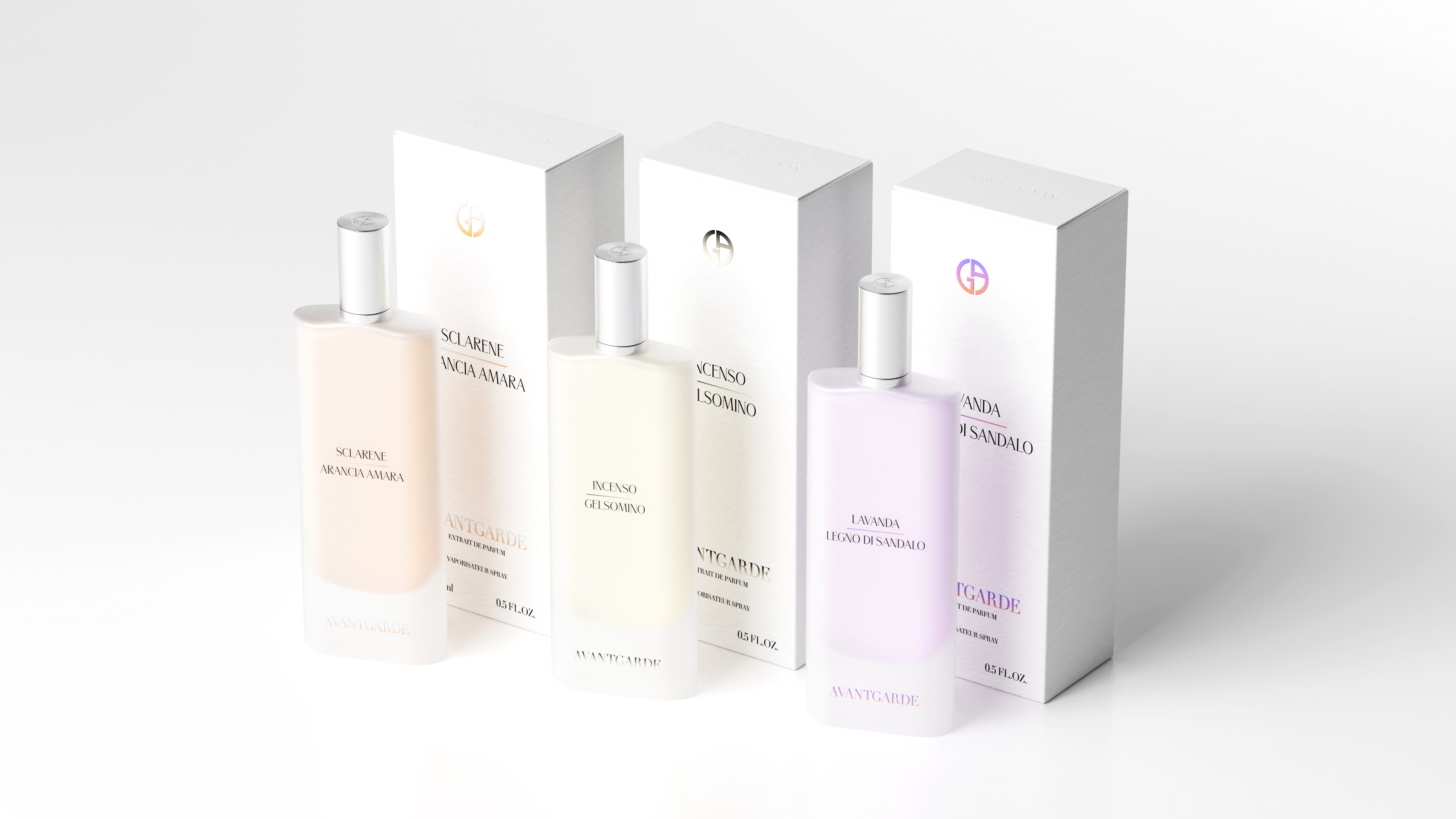
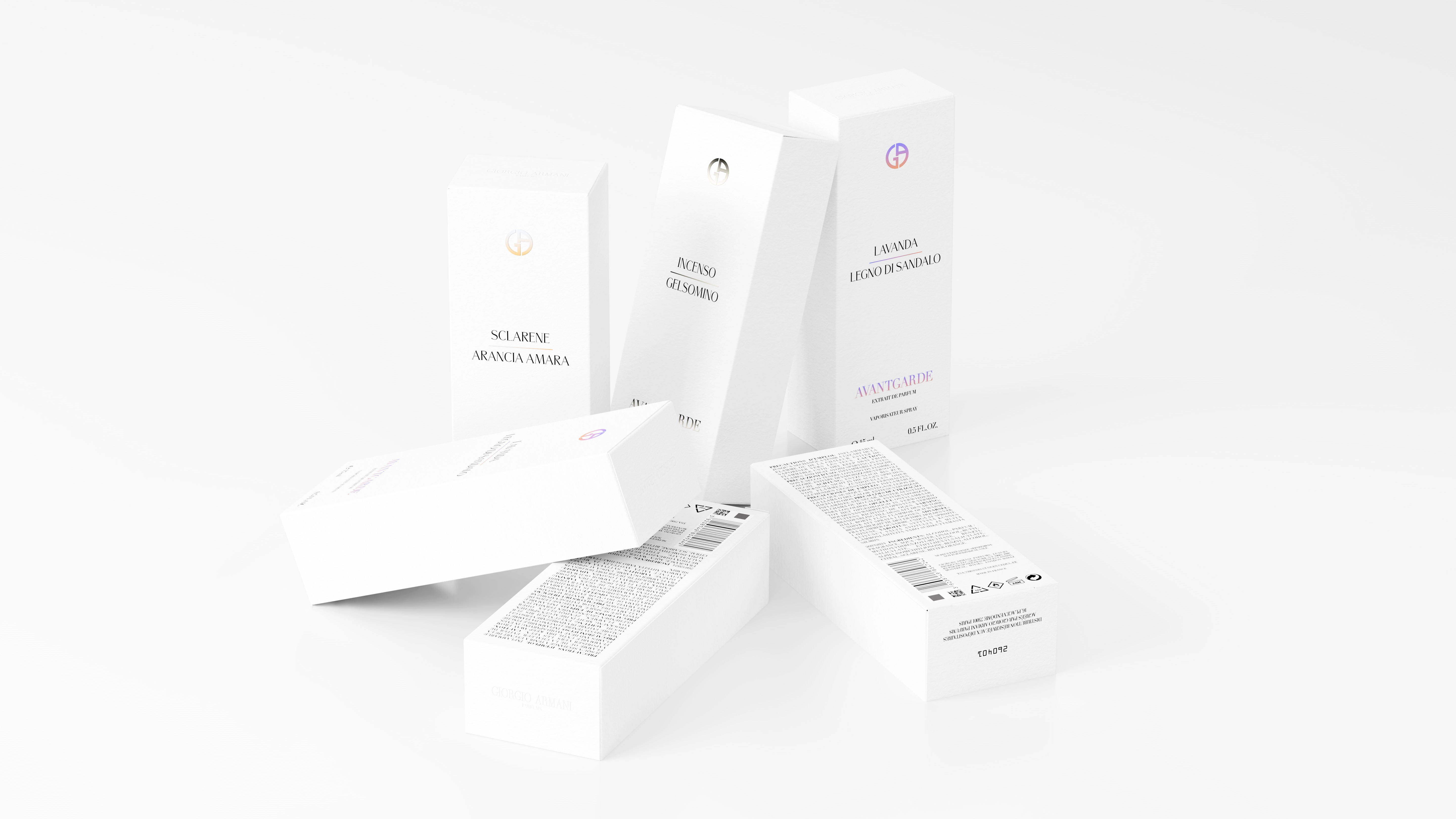
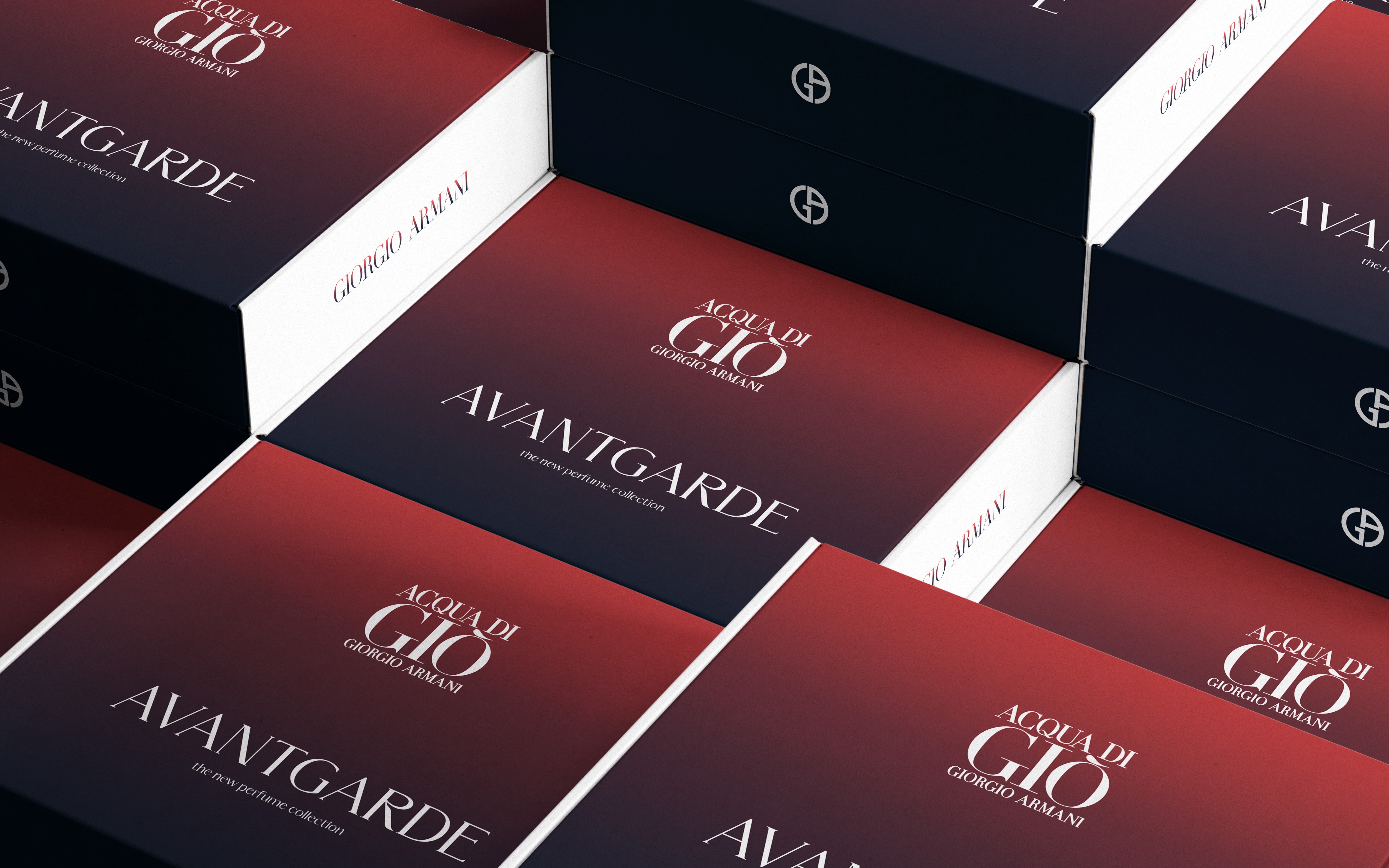
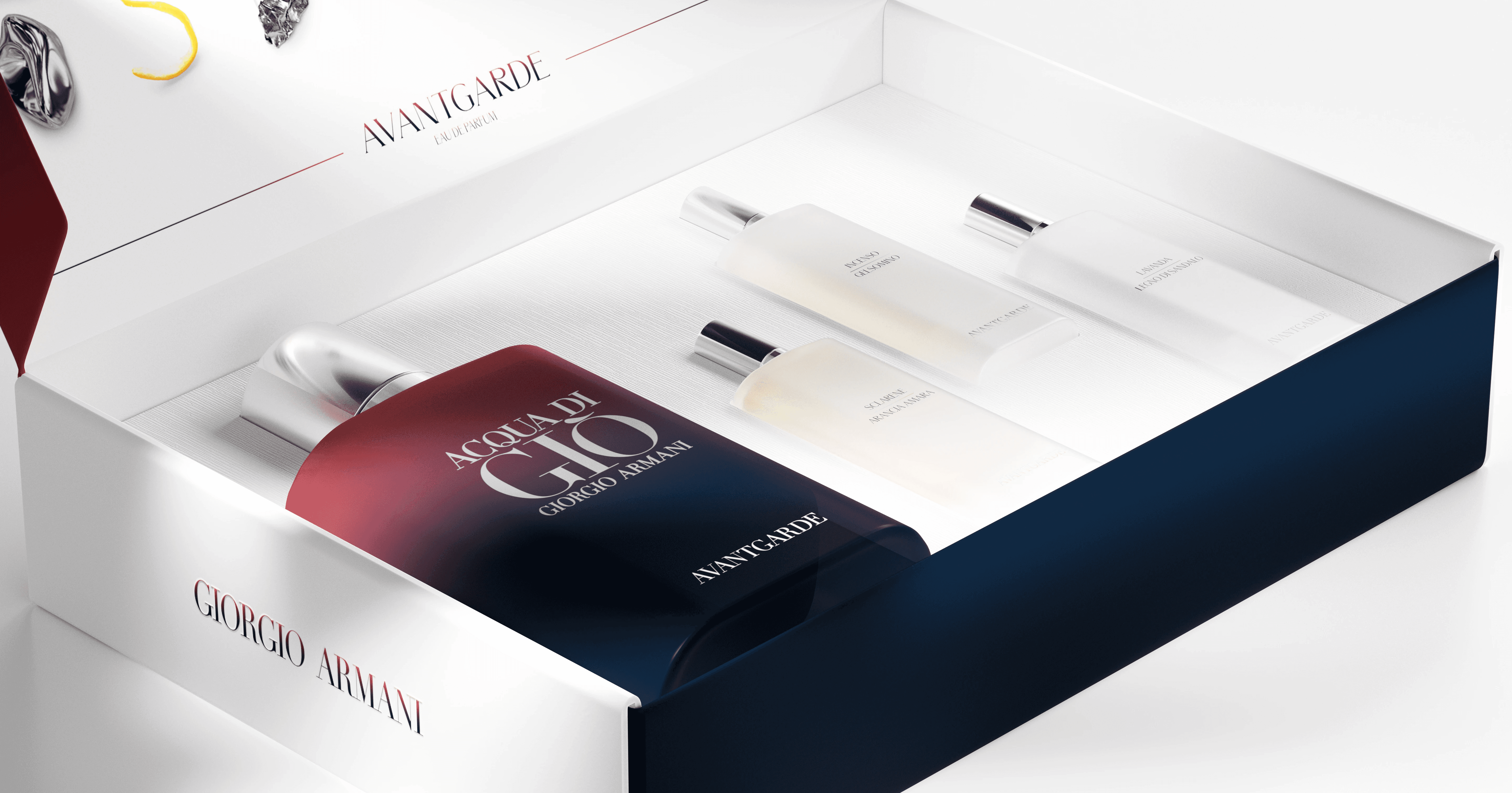
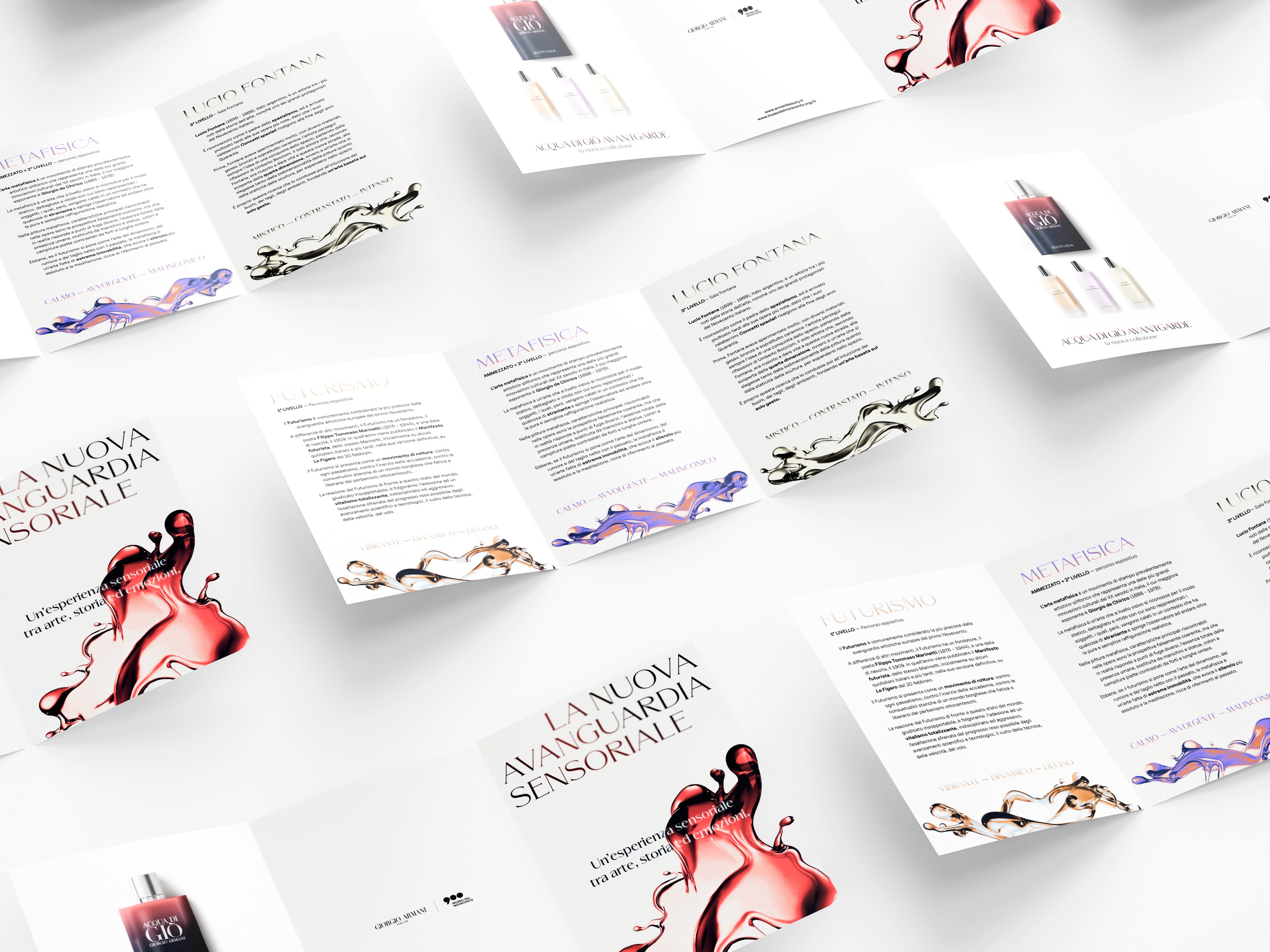
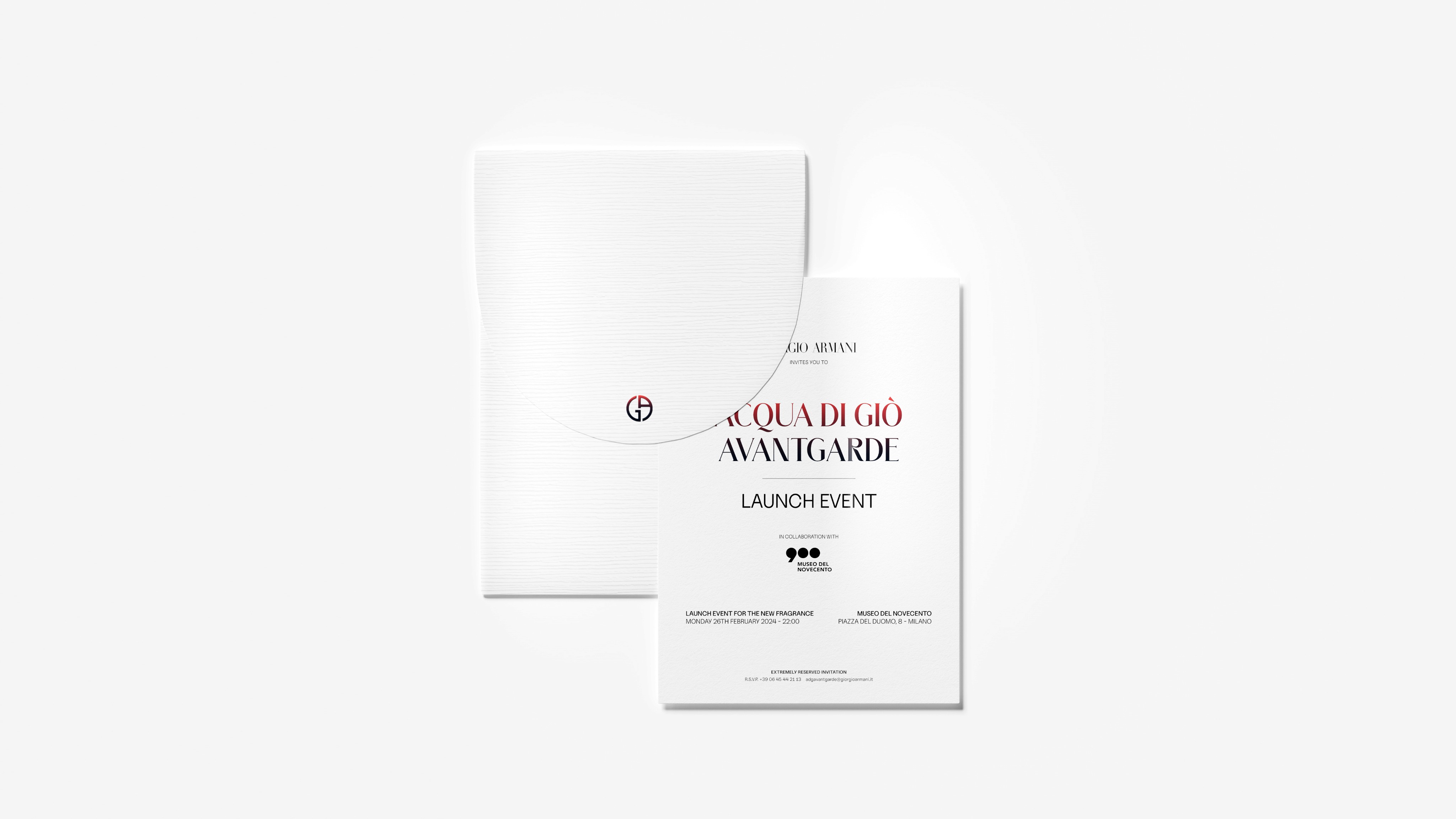
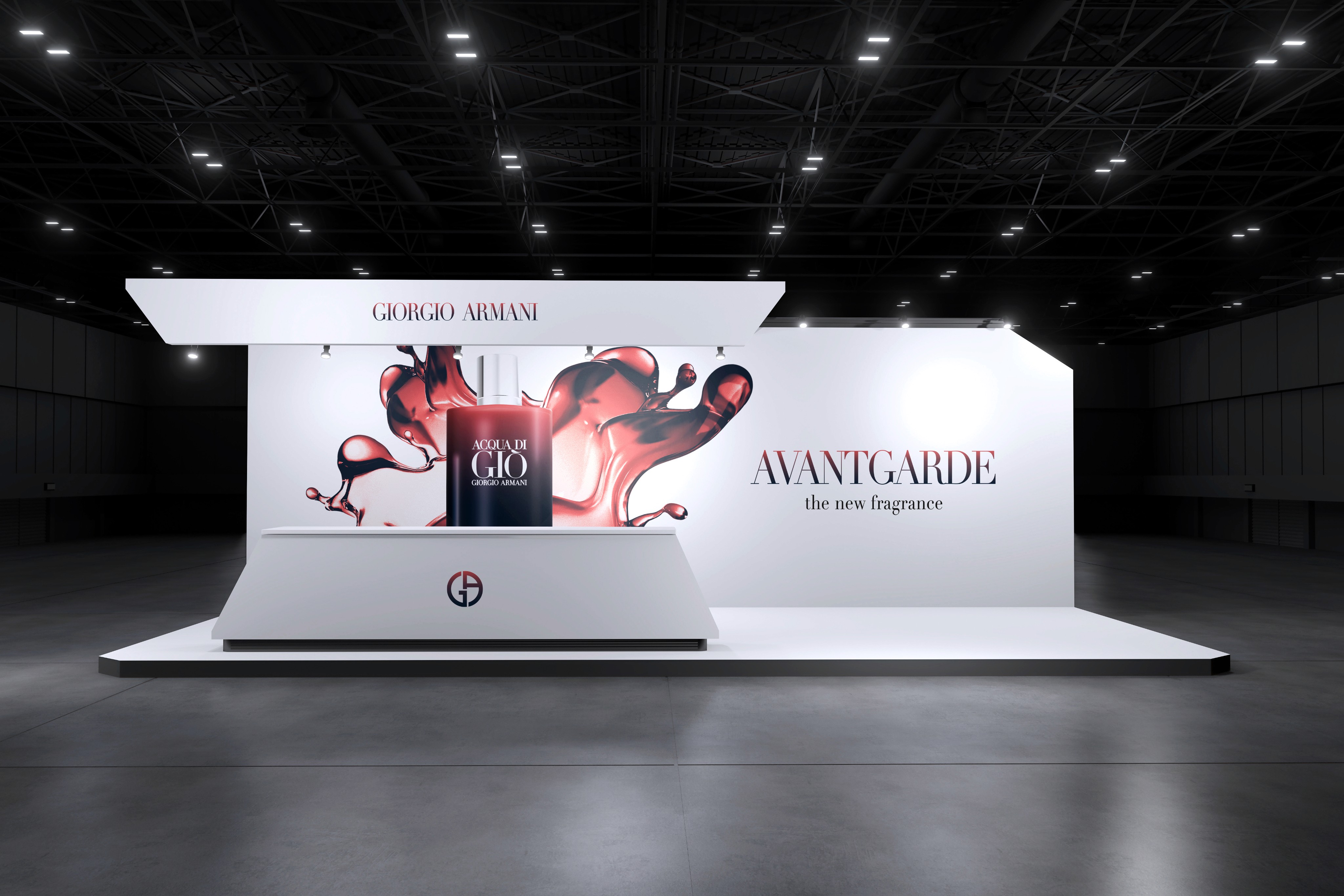
Avanguardia Sensoriale explores the design and launch of a new flanker for Giorgio Armani’s Acqua di Giò fragrance line, introduced through an immersive event experience.
The project envisions a multi-sensory launch event hosted at Museo del Novecento in Milan, chosen for its strong artistic and cultural identity. The goal is
to create an experience that deeply engages the audience, allowing them to connect with the essence of the new fragrance through sight, sound, and scent.
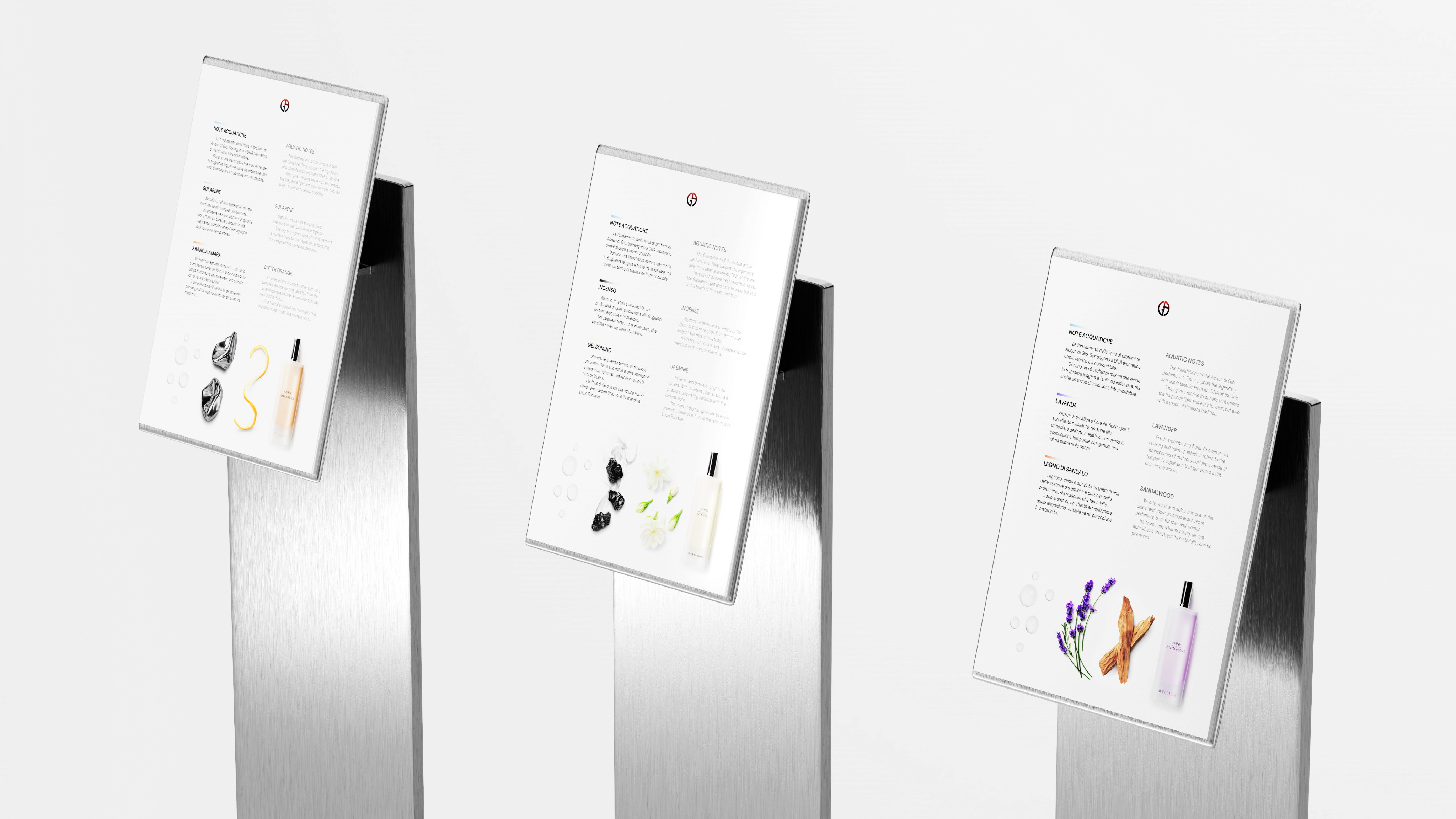
Inside the museum, four experiential spaces are designed: a temporary store and three sensorial rooms inspired by Futurism, Metaphysical Art, and Lucio Fontana: the same artistic movements that shaped the identity of the new perfume. Each room diffuses a unique aromatic composition that reflects its artistic reference, paired with visuals, soundscapes, and digital installations to create a fully immersive atmosphere.
Through this sensorial journey, visitors are invited to explore how art and scent can merge to evoke emotion and meaning, transforming the perception
of a fragrance into a cultural experience.
Avanguardia Sensoriale explores the design and launch of a new flanker for Giorgio Armani’s Acqua di Giò fragrance line, introduced through an immersive event experience.
The project envisions a multi-sensory launch event hosted at Museo del Novecento in Milan, chosen for its strong artistic and cultural identity. The goal is to create an experience that deeply engages the audience, allowing them to connect with the essence of the new fragrance through sight, sound, and scent.
Inside the museum, four experiential spaces are designed: a temporary store and three sensorial rooms inspired by Futurism, Metaphysical Art, and Lucio Fontana: the same artistic movements that shaped the identity of the new perfume. Each room diffuses a unique aromatic composition that reflects its artistic reference, paired with visuals, soundscapes, and digital installations to create a fully immersive atmosphere.
Through this sensorial journey, visitors are invited to explore how art and scent can merge to evoke emotion and meaning, transforming the perception of a fragrance into a cultural experience.
Avanguardia Sensoriale explores the design and launch of a new flanker for Giorgio Armani’s Acqua di Giò fragrance line, introduced through an immersive event experience.
The project envisions a multi-sensory launch event hosted at Museo del Novecento in Milan, chosen for its strong artistic and cultural identity. The goal is to create an experience that deeply engages the audience, allowing them to connect with the essence of the new fragrance through sight, sound, and scent.
Inside the museum, four experiential spaces are designed: a temporary store and three sensorial rooms inspired by Futurism, Metaphysical Art, and Lucio Fontana: the same artistic movements that shaped the identity of the new perfume. Each room diffuses a unique aromatic composition that reflects its artistic reference, paired with visuals, soundscapes, and digital installations to create a fully immersive atmosphere.
Through this sensorial journey, visitors are invited to explore how art and scent can merge to evoke emotion and meaning, transforming the perception of a fragrance into a cultural experience.
Team
La Forma del Mare
[2022]

Typographic editorial design
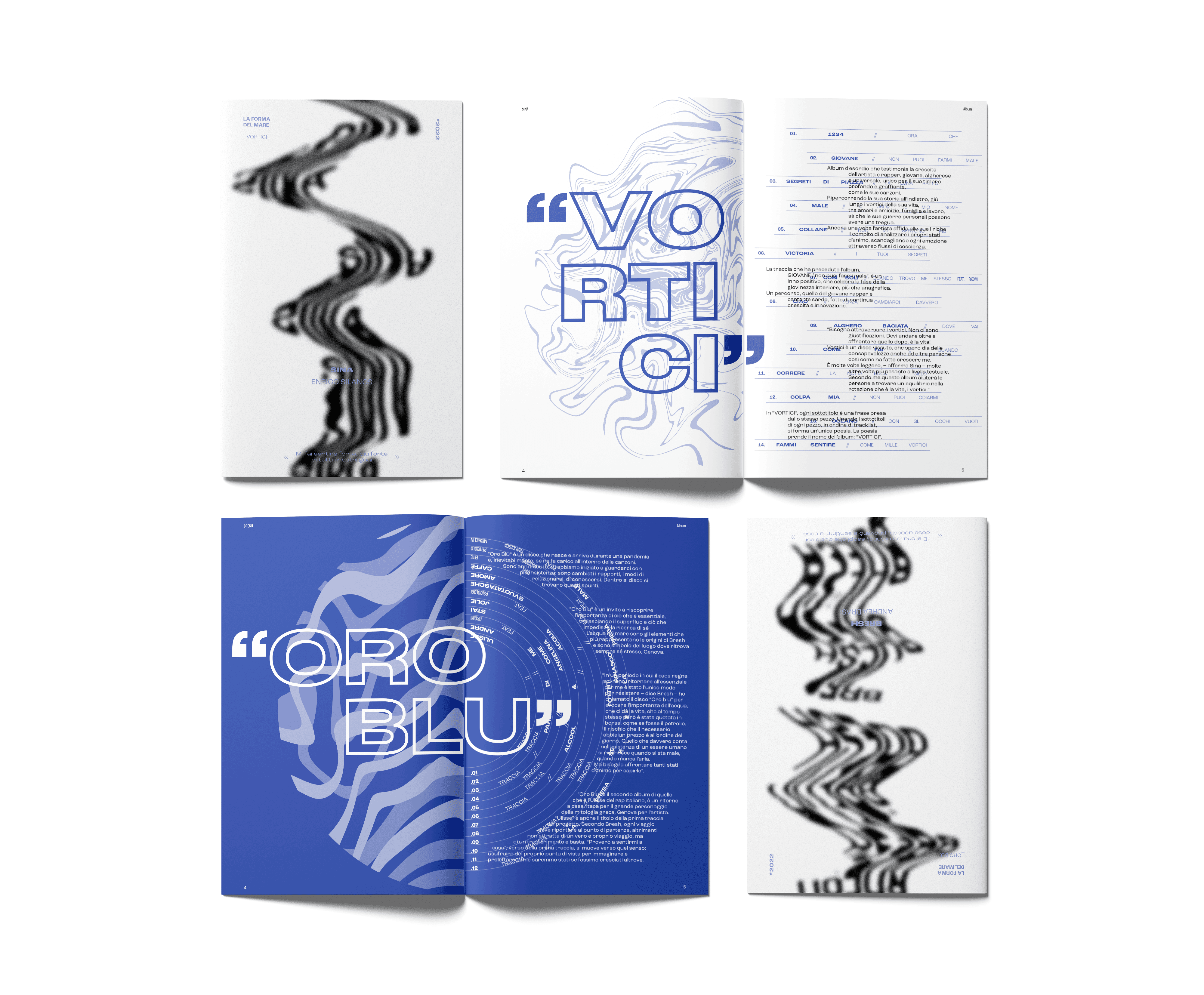
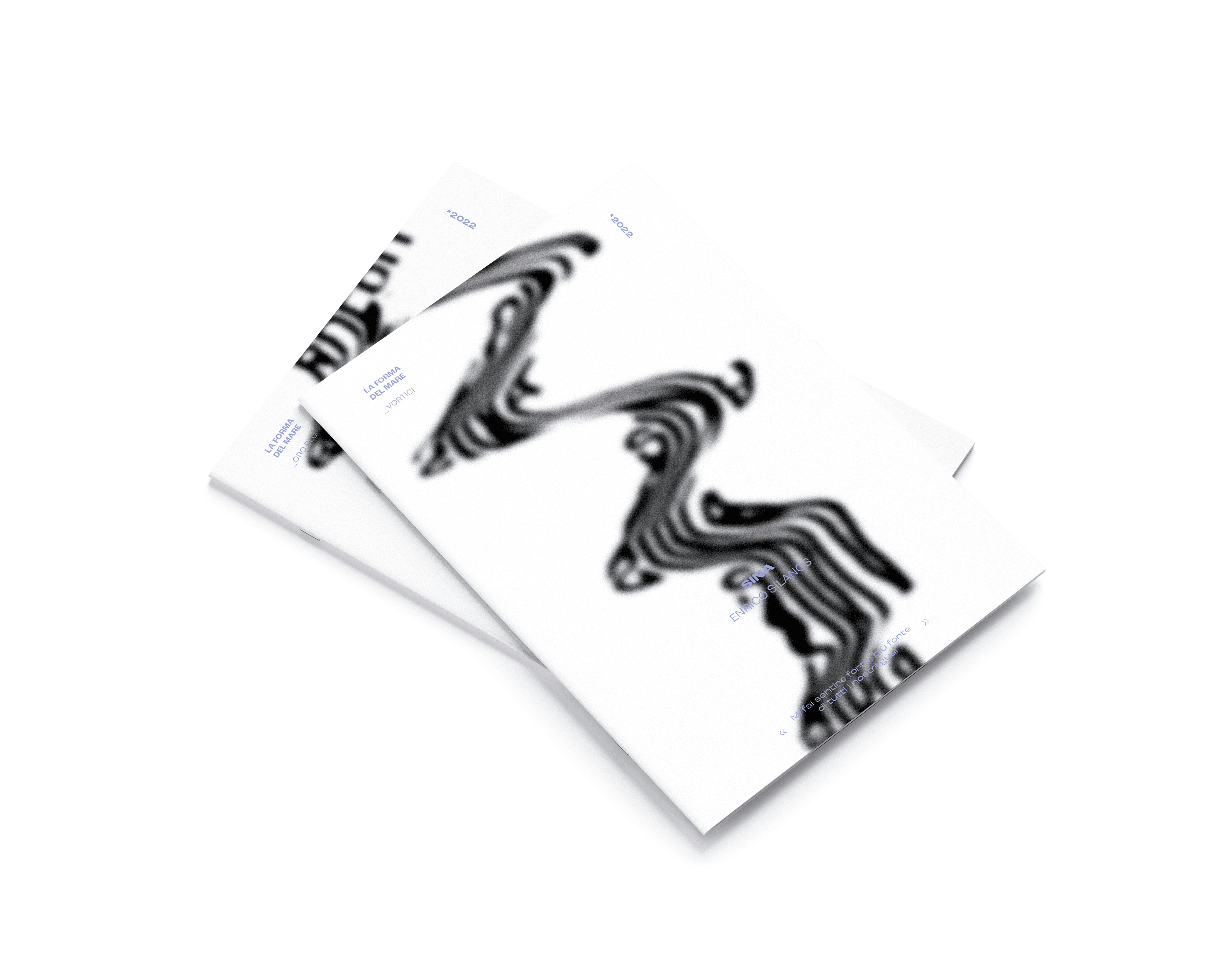
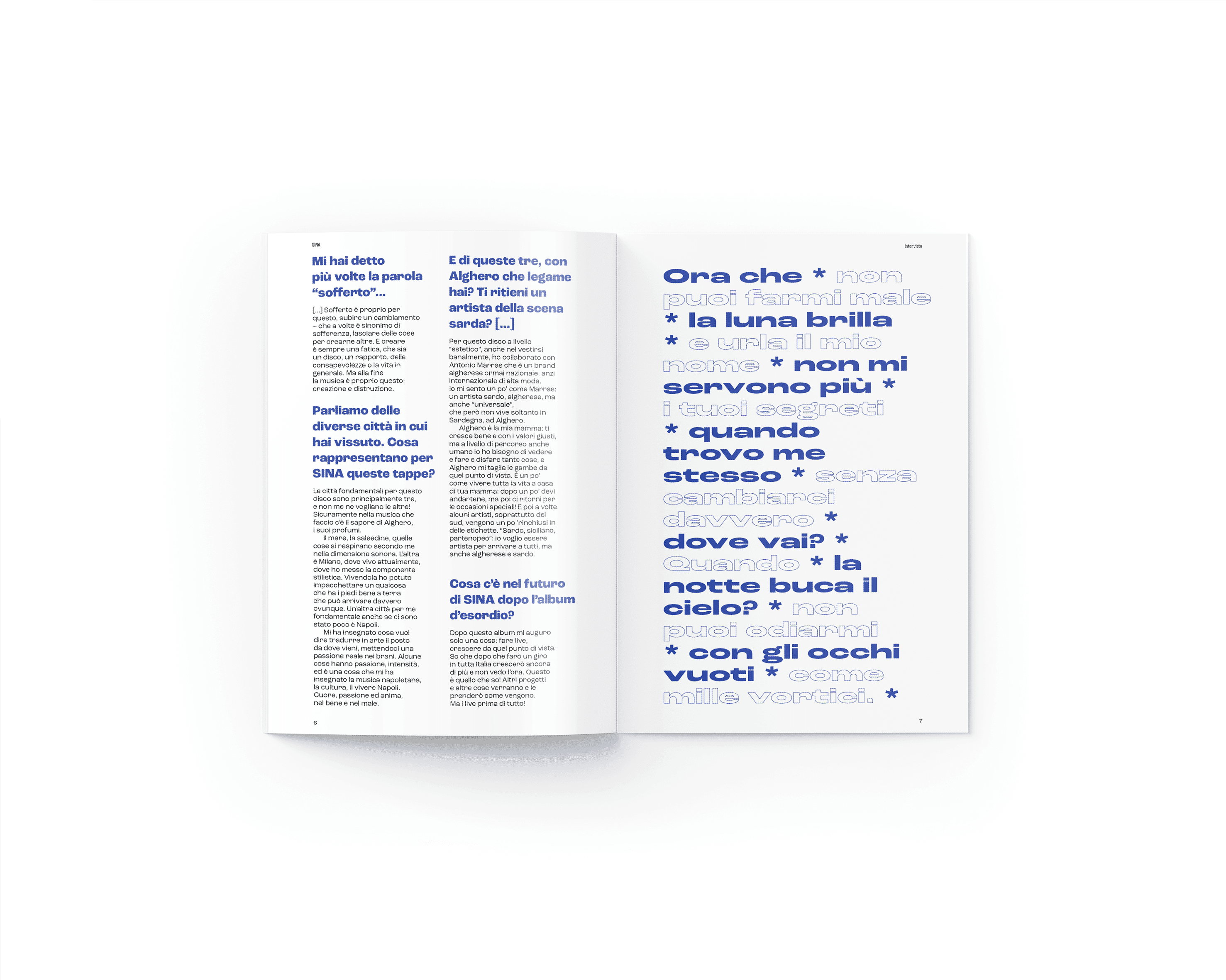
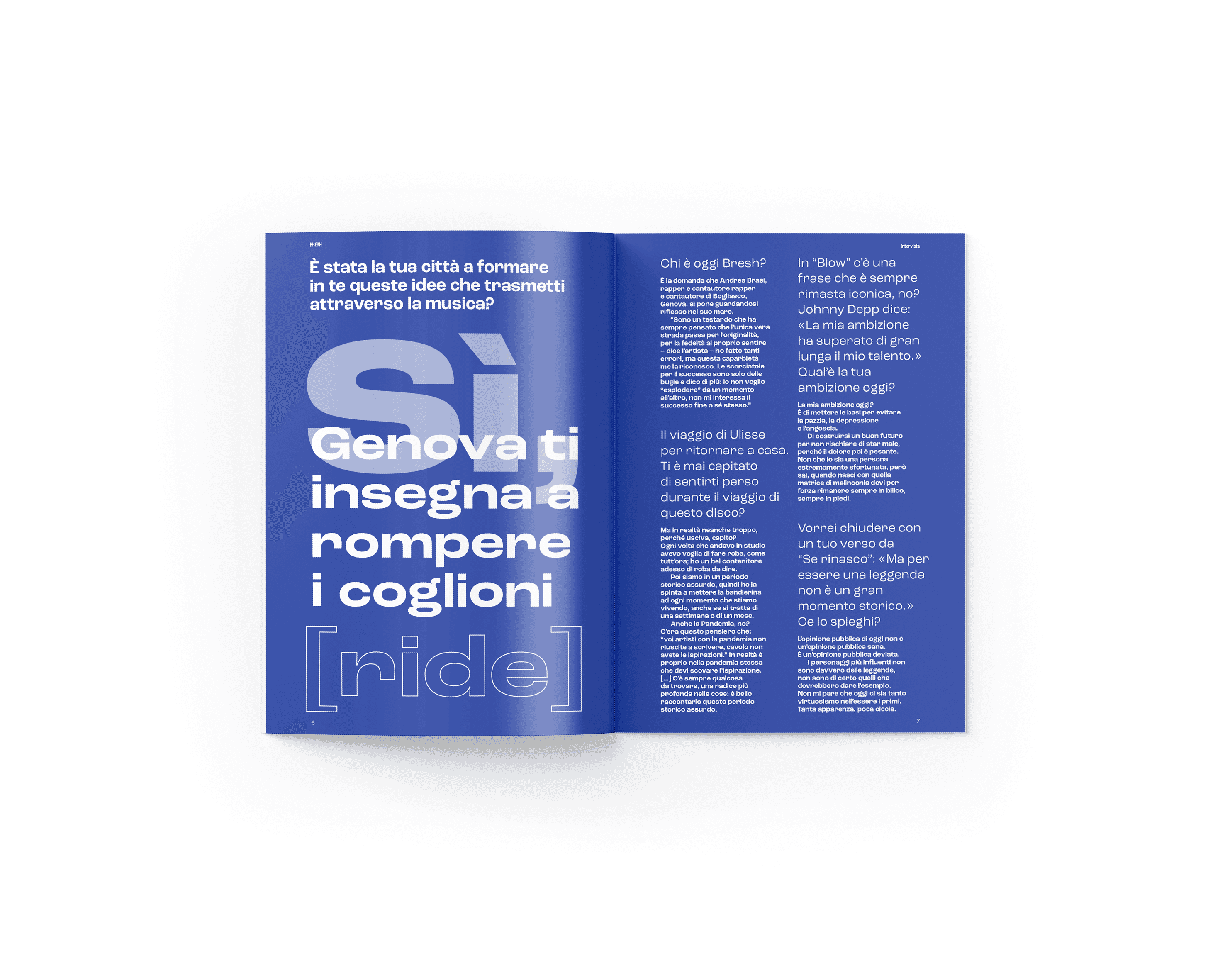
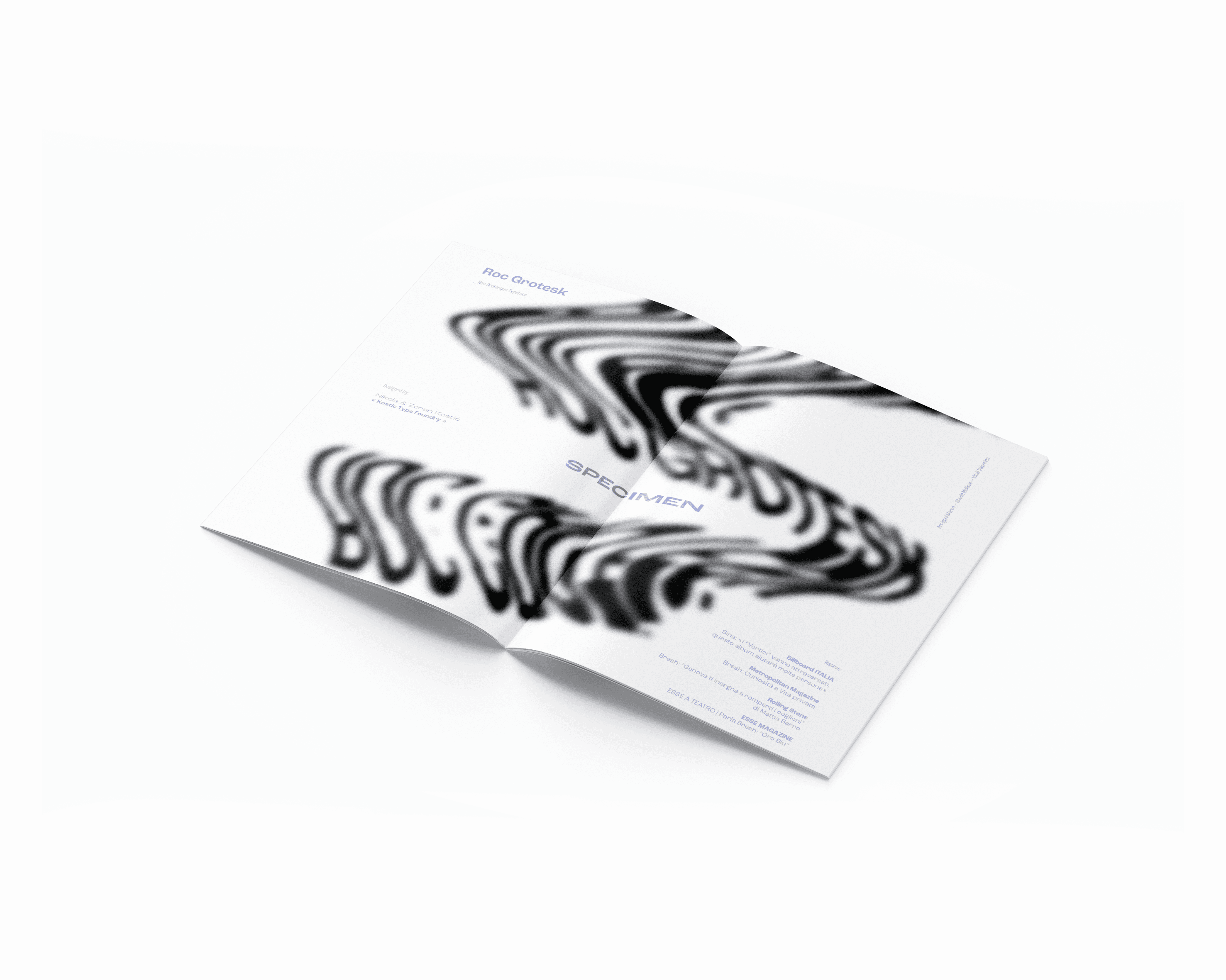
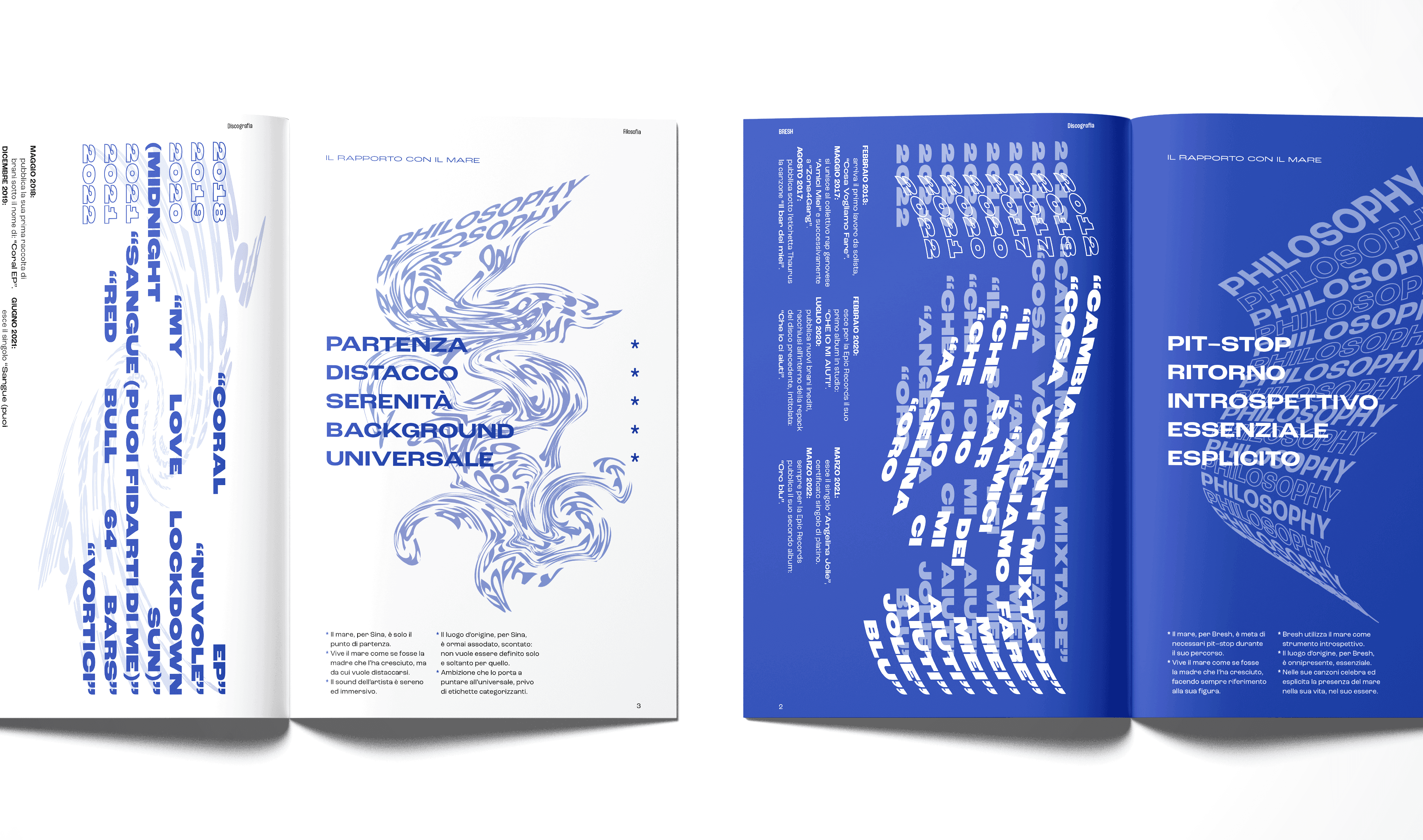
La Forma del Mare is a typographic magazine designed using Roc Grotesk by Adobe Fonts, exploring the expressive potential of a single typeface across its entire family of styles.
The project was developed within an academic context, where students were asked to design a magazine using only one font. The chosen theme centers on the musical worlds of Sina and Bresh,
two Italian artists whose works share a recurring motif: the sea.
The magazine seeks to translate the artists’ distinct styles and personalities through typographic experimentation and a minimal chromatic palette
of white and blue.
At its core, La Forma del Mare explores the relationship between music, typography, and emotion, transforming the act of reading into a rhythmic, visual, and sensorial experience.
La Forma del Mare is a typographic magazine designed using Roc Grotesk by Adobe Fonts, exploring the expressive potential of a single typeface across its entire family of styles.
The project was developed within an academic context, where students were asked to design a magazine using only one font. The chosen theme centers on the musical worlds of Sina and Bresh, two Italian artists whose works share a recurring motif: the sea.
The magazine seeks to translate the artists’ distinct styles and personalities through typographic experimentation and a minimal chromatic palette of white and blue.
At its core, La Forma del Mare explores the relationship between music, typography, and emotion, transforming the act of reading into a rhythmic, visual, and sensorial experience.
La Forma del Mare is a typographic magazine designed using Roc Grotesk by Adobe Fonts, exploring the expressive potential of a single typeface across its entire family of styles.
The project was developed within an academic context, where students were asked to design a magazine using only one font. The chosen theme centers on the musical worlds of Sina and Bresh, two Italian artists whose works share a recurring motif: the sea.
The magazine seeks to translate the artists’ distinct styles and personalities through typographic experimentation and a minimal chromatic palette of white and blue.
At its core, La Forma del Mare explores the relationship between music, typography, and emotion, transforming the act of reading into a rhythmic, visual, and sensorial experience.
Team
© 2026—Marco Arrigoni, All rights reserved